


The message arrived at 11:47 p.m. on a Tuesday, the kind of hour that makes a phone buzz feel like a small emergency.
Hey. Can you come over? I don’t think I’m okay.
Olivia was already in bed, laptop glow still warm on her face, a half-finished spreadsheet open somewhere behind the lock screen. She read it twice. Then a second notification slid in beneath it:
Never mind. Sorry. Forget I said that.
She sat up. The apartment was quiet in the way it only gets when you’re the last person awake in a building — the refrigerator humming, a car passing twice, then nothing.
They had been friends for six years, since the onboarding seminar where they’d both been assigned the same awkward icebreaker. Maya worked two floors up in Operations. She was the one who remembered birthdays, who brought the good coffee, who once talked Olivia through a panic attack in a stairwell with nothing but a very calm voice and a very bad joke.
Olivia typed:I’m coming.
Then deleted it. Typed:Are you sure you’re okay?
Deleted that too. She didn’t know why. Something about the second message — theforget I said that — had a texture to it, like a door closing gently instead of slamming.
She put the phone face-down on the nightstand. She told herself Maya was probably tipsy, or dramatic, or had simply changed her mind, which people were allowed to do. She told herself that if Maya had truly needed something, she would have called.
She did not sleep well.
By Thursday, Maya had not come into the office. Her Slack status still readOut — personal, which meant nothing and everything. Olivia sent a message that she kept rewording until it sounded casual, then sent it anyway. No reply.
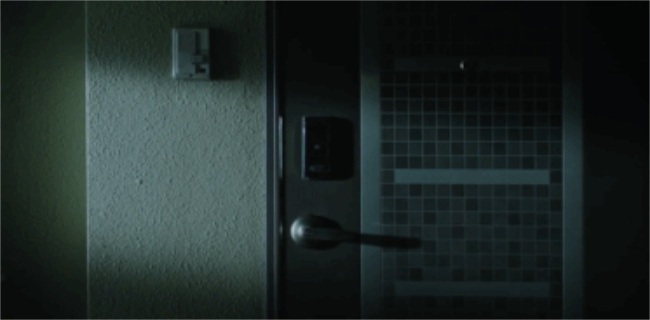
On Friday, she knocked on Maya’s door. The hallway smelled faintly of someone else’s cooking. No answer. She left a bag of oranges by the threshold because she didn’t know what else to do with her hands.
The building manager, a tired man named Dale, mentioned over the intercom later that Maya had requested an early lease termination. Packing boxes in the hall, he said. Nothing unusual.
Olivia went back to her desk and stared at a quarterly report for forty minutes without reading a single line.
Three weeks passed. Then a month. Olivia’s own life resumed its ordinary shape — a deadline, a dentist appointment, a weekend where she finally cleaned the kitchen. The guilt didn’t disappear so much as it learned to sit quietly, like a drawer that doesn’t quite close.
In the second month, a package arrived at her desk. No return address she recognized. Inside: a small notebook, the cheap kind, and a folded card.
The card said:I meant to explain. I didn’t know how to say it without making it everyone’s problem. You were the only one I texted. That was the whole test, I think — not whether you’d come, but whether I could still ask.
Olivia read it four times. She turned the notebook over. The first pages were ordinary — grocery lists, a reminder about a car inspection. Then, further in, the handwriting changed. Tighter. Faster. A few pages of something she did not read all the way through.
The last entry was dated the night of the text.
I almost didn’t send it. I’m glad I did. I’m also glad she didn’t come. I don’t know what that means yet.
She found Maya’s new address through a mutual friend, cautiously, the way you approach something fragile. A short email. No demands. Just:I got the notebook. I’m here if you ever want to talk, and I’m also here if you never do.
The reply came nine days later, three sentences long.I’m okay. Not fixed. Okay. Thank you for not making it a thing.
They did not become close again. That would have been a neater story, and Olivia had begun to suspect that neatness was mostly a thing people wrote for other people. Maya moved to another city in the spring. They exchanged a few messages at holidays — short, warm, slightly formal, like two people sharing a room they’d once decorated together.
What changed was smaller, and harder to describe.
Olivia started keeping a different habit. When someone sent her a message at a strange hour, she no longer weighed it against the polite version of herself. She just answered. Sometimes the answer was wrong, sometimes it was too much, sometimes the person wrote backactually I’m fine, sorry and she felt briefly foolish. She was learning to be okay with foolish.
One night, months later, her own phone sat on the nightstand at 11:40. She picked it up. Scrolled to a contact she hadn’t messaged in a while. Typed something, deleted it, typed something smaller and truer.
She sent it before she could talk herself out of it.
Then she set the phone down, face-up this time, and let it stay that way.