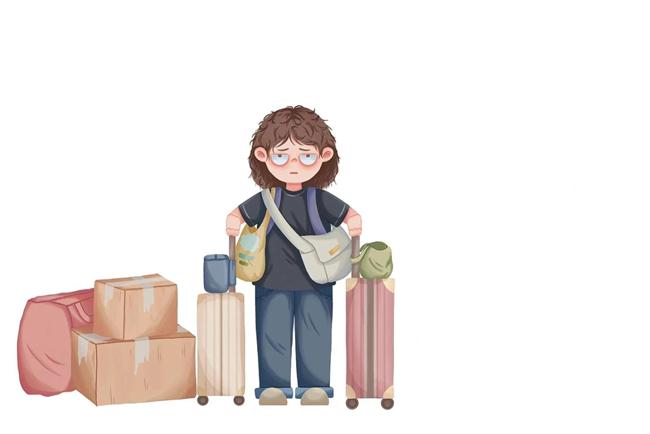



James found the listing on a Tuesday, buried between ads for used guitars and a roommate search in a neighborhood he couldn’t afford.
Room for rent. $800/month. Top floor. No elevator. Quiet tenant preferred.
The address was on Maple Street, above a bakery that had been there longer than anyone could remember. James had walked past it a hundred times and never noticed the narrow door beside it, the one with the peeling green paint and a small brass bell above the handle.
He pressed the buzzer anyway.
A woman opened the door with flour on her forearms and a towel over one shoulder. She looked at James the way people look at someone who has arrived ten minutes late to an appointment they didn’t know they had.
“You’re here about the room?”
“Yes,” James said. “I’m James.”
“Mrs. Delaney,” she said. “Come up.”
The staircase was steep and smelled like butter, cinnamon, and old wood. Each step creaked under his weight. By the time he reached the top, his legs felt like they had earned the rent.
The attic room was small but clean. A narrow bed sat under a slanted ceiling. One window looked out over the bakery’s chimney and the gray rooftops beyond. There was a tiny sink, a bookshelf with no books, and a radiator that made a sound like a tired animal.
“It’s not much,” Mrs. Delaney said. “But it’s warm. And the bakery keeps the building from getting too cold.”
James looked around. He had been sleeping on a friend’s couch for three months. His savings were disappearing. His job applications were multiplying. The room had nothing fancy, but it had a door that closed.
“I’ll take it,” he said.
Mrs. Delaney studied him for a moment, then nodded. “First month now. Utilities included. No loud music after ten. No guests without asking. And don’t touch the thermostat.”
James signed the paper on her kitchen table that evening. The contract was one page, handwritten, with careful loops in the letters. Mrs. Delaney gave him a single key and a small card with the Wi-Fi password.
“Baker’s Wi-Fi,” the card read. “Password: bread123.”
He laughed.
She didn’t.
The first night, James lay awake listening to the building breathe. Around four in the morning, the bakery came alive below him. He heard the soft thud of dough, the clink of metal bowls, the low hum of ovens warming up. It should have annoyed him. Instead, it made him feel strangely safe, as if the house were cooking itself back to life.
In the morning, he found a paper bag outside his door. Inside were two still-warm rolls and a note:
For the new tenant. —M.D.
He ate one standing by the window. The second he saved for later, though he didn’t know why.
Days settled into a rhythm. James woke, sent resumes, attended interviews that ended with polite emails, returned to the attic, and tried not to count the hours. Mrs. Delaney rarely spoke unless necessary. She left bread outside his door on Mondays and Thursdays. Sometimes there was soup. Sometimes there was nothing but a folded receipt with “Paid” written across it in blue ink.
He began leaving things in return. A jar of coffee. A packet of tea. Once, a small plant from the discount bin at the hardware store. The next morning, the plant was on the bakery counter, sitting beside a tray of scones.
“You kept it alive,” Mrs. Delaney said when he came down for mail.
“It was half dead when I bought it.”
“Then you did something right.”
That afternoon, James noticed a flyer taped to the bakery window.
Help wanted. Early mornings. No experience needed.
He stared at it until Mrs. Delaney appeared beside him, wiping her hands on her apron.
“You applying for everything else,” she said. “Why not this?”
“I don’t know how to bake.”
“You know how to show up?”
He started the next week.
The work was harder than he expected. He arrived at three forty-five, when the streetlights were still on and the city felt half-asleep. Mrs. Delaney taught him to weigh flour, shape loaves, and pull trays from the oven without burning his wrists. He learned that bread could be stubborn, gentle, and unpredictable all at once.
“You can’t force it,” she said one morning, watching him press too hard into a ball of dough. “You guide it. It rises when it’s ready.”
James wanted to say that his life wasn’t rising on any schedule he recognized. But the oven door slammed shut, and the moment passed.
By the third week, he stopped checking his email every ten minutes. By the fourth, he could tell when the croissants were done just by the sound they made cooling on the rack.
One evening, Mrs. Delaney handed him an envelope.
“Your rent,” she said.
He opened it. Inside was his first month’s payment and a new lease, typed this time, for another six months.
“You’re not raising it?” he asked.
“Not yet.”
He almost smiled. “That’s good to hear.”
She looked toward the staircase. “This building has held people who were between things. Students. Nurses. A pianist who played in bars. A man who repaired clocks. They all left when they were ready. You will too.”
James didn’t know what to say to that.
Mrs. Delaney turned back to her ledger. “Until then, you can pay me in rent and early mornings.”
That night, James sat by the window with a cup of tea. The radiator clicked. Somewhere below, a timer began to buzz. The street outside was quiet, but the bakery was already preparing for morning.
He placed his hands on his knees and listened. For the first time in months, he didn’t feel like he was waiting for his life to begin. He felt like it had already started, quietly, in a room that cost eight hundred dollars a month and smelled faintly of yeast.
It wasn’t the ending he had imagined. But it was warm, and it was his, and for now, that was enough.