
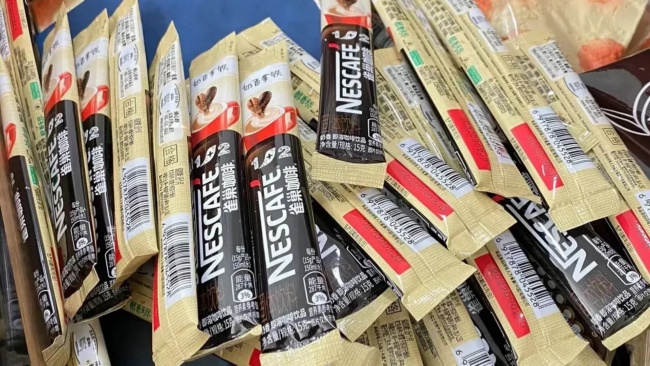

Lucas hated the weight of his bag on Monday mornings. It wasn’t the laptop, or the stack of reports, or even the umbrella he always forgot to use. It was the small, dented tin of instant coffee tucked into the side pocket, rolling around like a guilty secret.
He had bought it three months ago during a late-night grocery run, when the fluorescent lights made everything look like a bad idea. The label saidBest Before: August 12. Today was October 24.
He told himself he kept it for emergencies. But the truth was simpler: he kept it because throwing it away felt like admitting something had gone wrong.
Lucas worked in accounts at a mid-sized firm downtown, the kind of place where people said “Good morning” without looking up and “See you tomorrow” without meaning it. His commute was forty-two minutes by train, then twelve minutes on foot, past the same bakery, the same bus stop, the same woman who walked her tiny dog in a raincoat.
That morning, the train was late. Rain slid down the platform windows in thin silver lines. Lucas stood near the doors, one hand on the metal pole, the other holding his bag close so it wouldn’t bump into anyone.
A woman beside him glanced at the tin sticking out of his pocket.
“Emergency coffee?” she asked.
Lucas blinked. “Something like that.”
She smiled. “I keep emergency chocolate. It’s expired, too.”
He laughed before he could stop himself. It felt strange, like using a muscle he hadn’t noticed had gone stiff.
When he reached the office, the coffee machine was broken again. A handwritten note was taped to it:Sorry! Technician coming Thursday. Someone had drawn a sad face. Someone else had added,We are all sad faces.
Lucas sat at his desk and opened his bag. The tin was cold from the rain. He turned it over in his hands. August 12. More than two months past the date.
He unscrewed the lid.
The powder inside looked normal. Brown, fine, a little clumped near the edges. It smelled faintly of coffee, though not the rich kind from the café downstairs. More like the memory of coffee, the kind you drink in hotel rooms and hospital waiting areas.
His coworker Emma leaned over the partition. “Is that… instant?”
“Expired instant,” Lucas said.
Emma made a face. “You’re brave.”
“I’m desperate.”
She watched as he filled his mug with hot water from the break-room kettle. The powder dissolved slowly, leaving a pale swirl that looked almost ashamed.
Lucas took a sip.
It was bitter. Not in a dramatic way, but in a quiet, stubborn way. It tasted like something that had waited too long to be used.
Emma winced. “That bad?”
“No,” Lucas said, surprising himself. “It’s just… honest.”
She laughed again, and this time he didn’t feel strange.
By midmorning, the office had settled into its usual rhythm. Phones rang. Keyboards clicked. Someone heated fish in the microwave, which was, as always, an act of quiet rebellion.
Lucas kept drinking the coffee. Each sip was worse than the last, or maybe he just noticed it more. The bitterness stayed on his tongue, but it also kept him awake. Not in the sharp, jittery way real coffee did, but in a gentle, persistent way, like a small reminder that he was still there.
At lunch, he walked past the bakery on his usual route. The woman with the raincoat dog was there, standing under the awning while the dog sniffed a puddle.
Lucas stopped. He had passed her hundreds of times and never once said hello.
“Cute dog,” he said.
The woman looked up. “Thank you. His name is Barnaby.”
Barnaby sneezed.
Lucas smiled. “Does he like coffee?”
“Only the expired kind,” she said.
They both laughed, and for a moment the street felt less like a place he moved through and more like a place where he existed.
That afternoon, Lucas finished a report he had been avoiding for two weeks. It wasn’t heroic work. No one would mention it in a meeting. But when he sent it, he felt a small click inside himself, like a drawer finally closing properly.
At five-thirty, he packed his bag. The tin was lighter now, almost empty. He shook it once, hearing the last grains slide against the metal.
Emma stopped by his desk. “Survived the coffee?”
“Barely.”
“You want to throw the rest away?”
Lucas looked at the tin. He thought about the train, the broken machine, the woman and Barnaby under the bakery awning. He thought about how long he had carried it without using it, and how strange it felt to finally open it.
“Not yet,” he said.
On the train home, the rain had stopped. The windows were dark, showing reflections of tired people holding bags, phones, paper cups, and small private worries.
Lucas took one last sip from his mug. It was cold and terrible. He drank it anyway.
When he got home, he placed the tin on the kitchen counter instead of tossing it into the bin. It sat there beside the salt shaker and the empty fruit bowl, looking ordinary again.
Maybe he would buy fresh coffee tomorrow. Maybe he would finally fix the kettle. Maybe he would say hello to the woman with the dog again.
Or maybe he would just carry the tin for one more day, not because he needed it, but because it had stopped feeling like a mistake.
Some things, he thought, don’t need to be perfect to be useful. They just need to be opened.