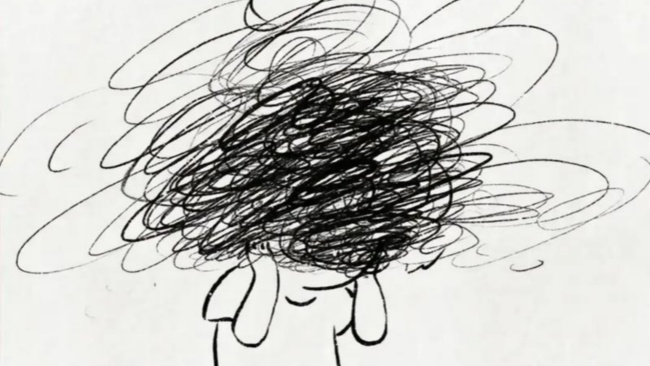



Emily sat on the floor of her kitchen, surrounded by receipts, bank statements, and a half-empty cup of tea that had gone cold an hour ago. The clock on the microwave read 11:47 PM. Payday was tomorrow. In exactly nine hours and thirteen minutes, her bank account would refill, and she could finally breathe again.
But right now, she couldn’t breathe at all.
She picked up her calculator for the third time and started over. Rent: 1,200. Car insurance: 89. Electric bill: 142. Groceries for the week—well, the groceries she’d already bought on credit because she’d miscalculated last Tuesday: 67.43. Student loan minimum payment: 185. Phone bill: 72. The list went on, each number small enough to seem harmless on its own, but together they formed a wall she couldn’t climb.
Emily had always been good with numbers. She worked as a data analyst for a mid-sized logistics company, which meant she spent eight hours a day finding patterns in spreadsheets, identifying inefficiencies, and presenting solutions to people who rarely read past the first slide. She could forecast quarterly shipping costs with remarkable accuracy. She could spot a data anomaly from three rows away. But somehow, her own life refused to behave like a spreadsheet.
There was no formula for the surprise vet bill when her cat, Mochi, swallowed a rubber band. No cell in any budget tracked the emotional cost of saying no to a coworker’s birthday lunch for the third week in a row. And there was definitely no column for the quiet, creeping shame of checking your bank balance in the grocery store parking lot before deciding whether you could afford cheese.
She rubbed her temples and looked at the number she’d arrived at for the fourth time.
Negative 34.67.
That was how much money she would have tomorrow after payday, after every bill was paid, after every automatic deduction cleared. Thirty-four dollars and sixty-seven cents to last her two weeks.
Emily leaned back against the kitchen cabinets and closed her eyes. She was thirty-one years old. She had a degree. She had a job with benefits. She had a cat who required premium grain-free food because of his sensitive stomach. By every measurable standard, she was doing fine. So why did “fine” feel like drowning in slow motion?
Her phone buzzed on the counter. A text from her mother:How are you, sweetheart? You haven’t called in a while.
Emily stared at the message. She wanted to tell the truth. She wanted to type out the entire spreadsheet of her anxiety and hit send. But she didn’t. Instead, she wrote:I’m good! Just busy with work. Talk soon. ️
She set the phone face-down and pulled her knees to her chest.
Through the thin wall, she could hear her neighbor, Mrs. Callahan, watching a late-night talk show. The audience laughed at something the host said. The sound was warm and ordinary, the kind of noise that belonged to people whose lives fit together properly. Emily wondered if Mrs. Callahan ever sat on her kitchen floor at midnight, adding up numbers that refused to add up. She wondered if anyone did, or if she was the only person in the building—maybe the only person in the city—who felt this way.
Mochi padded into the kitchen and jumped onto her lap, purring loudly. He didn’t care about negative balances or payday timelines. He cared about the warmth of her legs and the possibility of a late-night treat. Emily scratched behind his ears and felt something in her chest loosen, just a little.
She opened her banking app one more time. She transferred 35 from her emergency fund—a fund she’d promised herself she would never touch for anything less than an actual emergency—and watched her projected balance turn from red to green.
$0.33.
Thirty-three cents. Not exactly triumphant, but it was above zero. It was a number that didn’t scream.
Emily stood up, her knees cracking, and began gathering the receipts. She didn’t throw them away. She stacked them neatly and placed them in a folder labeledOctober, because even if the month had beaten her, she wanted to understand how. Maybe next time she’d catch the miscalculation earlier. Maybe next time she’d remember to factor in the unexpected.
Or maybe she wouldn’t. Maybe this was just what it felt like to be alive in a world that charged you for everything and paid you just enough to keep you coming back.
She turned off the kitchen light and walked to her bedroom. Mochi followed, weaving between her ankles. Outside, a car passed on the wet street, its headlights sweeping across the ceiling like a slow, gentle wave.
Emily got into bed and pulled the blanket up to her chin. Tomorrow, the money would come. The bills would clear. The cycle would begin again. Nothing had been solved, not really. But as she drifted toward sleep, she realized something small and strange: she wasn’t afraid anymore. Not of the numbers, not of the next month, not of the quiet arithmetic of getting by.
It wasn’t victory. It was something quieter than that.
It was the understanding that she had done this before, and she would do it again, and somehow, in the space between one payday and the next, she would find a way to keep going.
And for tonight, that was enough.