

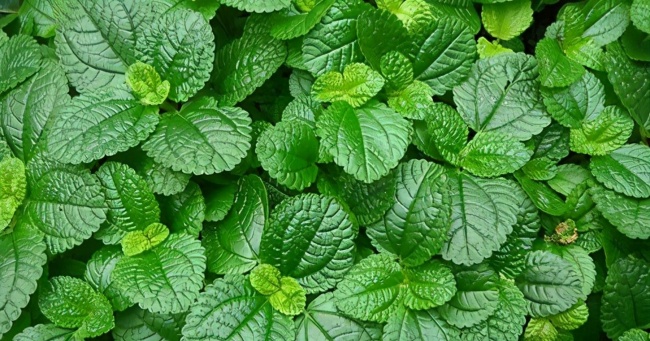

Elaine’s desk was by the window, yet it was perpetually divided into light and dark halves by the blinds. The pothos plant had been left behind by the previous tenant; the edges of its leaves were scorched and yellowed, like a sheet of paper that had been repeatedly crumpled by life. She remembered her first day on the job, when the administrative manager pointed to it and said, “This plant is pretty resilient. You take care of it.” ” The tone was as light as if he were passing off an insignificant piece of clutter.
For the past three months, Elaine had only remembered to pour some lukewarm water into a disposable paper cup—and casually splash it into the pot—when she worked late into the night. Droplets rolled down the leaf veins, leaving pale circles on the dust-covered desk, like sighs she hadn’t had time to utter. She always felt she was a lot like this potted plant—placed in a fixed spot, surviving on occasional handouts, yet with no one truly caring whether it was still growing.
Until one evening when a sudden downpour struck and the lights on the entire floor went out. As Elaine gathered her things in the dark, her fingertips brushed against a slightly cool leaf, and she realized that, in an unnoticed corner, it had quietly sprouted a new shoot. A tender green tendril peeked out from among the withered branches, radiating a vitality bordering on stubbornness, like a faint glow suddenly lighting up the darkness. She suddenly recalled that last week, while sorting through old files, she’d found a faded sticky note deep in a drawer, written in the former tenant’s handwriting: “If it’s still alive, please watch the spring outside the window for me.”
As the rain gradually subsided, Elaine moved the pothos to the windowsill. Moonlight filtered through the clouds, spreading a delicate silver sheen across the leaves. For the first time, she examined the plant closely: the withered, yellowed leaves still clung to the branches, yet they no longer looked forlorn; instead, they resembled a kind of silent medal; new shoots swayed gently in the breeze, as if to say that simply being alive is, in itself, a quiet victory.
The next day, she sent a message to the administrative manager: “That pothos—I’d like to keep caring for it.” The manager replied instantly with an “OK” emoji, without asking why. Elaine knew that some convictions need no explanation—just as that plant had never needed to prove to anyone that it was still worth waiting for.
Later, Elaine developed the habit of watering the pothos every morning. In the moment when a droplet of water hovered at the tip of a leaf, she would always recall those days spent with her head down, rushing through the cubicles—it turned out that we were all, in our own ways, quietly sprouting new shoots in corners where no one could see.