

The invitation arrived on a Tuesday, slipped under the door of Arthur’s quiet apartment. It was printed on heavy, cream-colored cardstock, the ink a deep, unsettling crimson.
You are cordially invited to the Annual Feast of Quarrels.Location: The Gilded Cage, 42 Harrow Lane.Time: 8:00 PM.Dress Code: Your Grievances.
Arthur didn’t know who sent it. He didn’t know what a “Feast of Quarrels” was. But he knew he had grievances. He had a closet full of them, neatly folded and mothballed, dating back to his divorce, his failed architecture firm, and the neighbor who played the tuba at dawn.
At 7:55 PM, Arthur stood before the heavy oak doors of The Gilded Cage. He adjusted his tie, feeling foolish, and pushed inside.
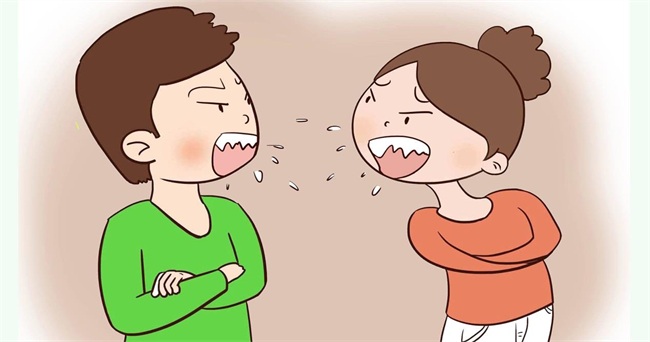
The room was dimly lit, smelling of roasted meat and old wine. Long tables were laden with silver platters, but no one was eating. Instead, the room was filled with people standing in tight, aggressive circles, shouting.
“Welcome, Arthur!” a voice boomed.
A tall man with a handlebar mustache and a velvet vest approached him, holding a clipboard. “I am Julian, the host. You’re just in time for the appetizers.”
“Appetizers?” Arthur asked, shouting over the din of a woman screaming at a man about a borrowed lawnmower.
“Small talk,” Julian winked. “Petty annoyances. The barista who misspelled your name. The driver who didn’t use their turn signal. Get them out of your system before the main course.”
Arthur hesitated, then turned to the person nearest him—a woman in a green dress who looked ready to explode. “I… I hate it when people walk slowly in the hallway,” Arthur blurted out.
The woman turned, eyes wide. “And I hate when people chew with their mouths open!” she yelled back.
Arthur felt a strange lightness in his chest. He shouted about the tuba player. She shouted about her roommate’s dirty dishes. It was exhilarating. For ten minutes, they just vented, their voices rising in a chaotic harmony.
“Excellent!” Julian clapped his hands. “Now, take your seats. The Main Course is served.”
The room fell silent. The guests sat at the long tables. Waiters appeared, carrying covered domes. With a synchronized flourish, they lifted the lids.
There was no food.
On each plate sat a single, folded piece of paper.
“Pick them up,” Julian instructed softly. “These are not your grievances. These are the grievances heldagainst you.”
Arthur’s stomach dropped. He looked at the paper on his plate. His hands trembled as he unfolded it. The handwriting was jagged.
You never listened to me. You were so busy building your perfect buildings that you forgot I was falling apart inside them. You let me drown in silence.
It was signed,Eleanor. His ex-wife.
The room was deadly quiet now. Arthur looked around. The woman in the green dress was weeping silently, staring at a note that likely came from her roommate. The man who had been shouting about the lawnmower was pale, reading a note from his brother.
“This is cruel,” Arthur whispered, looking up at Julian.
“It is necessary,” Julian replied, pouring wine into Arthur’s empty glass. “We spend our lives curating our own anger, polishing our own wounds. We forget that we are the villains in someone else’s story. Tonight, you feast on the truth.”
Arthur looked back at the note. He wanted to crumple it, to throw it on the floor and storm out. He wanted to defend himself, to list all the ways Eleanor had been difficult, all the ways he had tried.
But the words on the page were heavy. They had weight.You let me drown in silence.
He remembered the nights he had worked late, the blueprints spread across the dining table, Eleanor sitting on the sofa, watching him with eyes he had mistaken for boredom. He had thought she was distant. He hadn’t realized she was screaming for help, and he had been too deafened by his own ambition to hear it.
The silence in the room stretched on, thick and suffocating. No one was eating. No one was speaking. They were all just digesting the bitter meal they had been served.
Arthur traced the signature with his thumb. The anger he had carried for five years—the anger that had brought him here tonight—began to dissolve, replaced by a cold, hollow ache. It wasn’t a happy feeling. It wasn’t a relief. But it was real.
He looked at the woman in the green dress. She caught his eye. She didn’t smile, and neither did he. But she gave a small, almost imperceptible nod.
Arthur folded the note carefully and placed it in his breast pocket, right over his heart. He picked up his wine glass. The liquid was dark, like blood, or perhaps like ink.
“To the feast,” Julian said, raising his glass.
“To the feast,” the room murmured back, their voices hoarse.
Arthur took a sip. It tasted bitter, but for the first time in years, he wasn’t hungry anymore.
Subtle Reflection
Sometimes, the heaviest thing we carry isn’t our own anger, but the realization of the pain we’ve caused. It doesn’t fix the past, but it changes the flavor of the present.