

Maya had been staring at the message for ten minutes. It was from a coworker she liked—someone she’d talked to a few times in the break room, always easy and funny. The message was simple: “A few of us are grabbing dinner Friday. You should come!”
She typed “Sounds fun!” Then deleted it. She typed “I’d love to!” Then deleted that too. What if she got there and had nothing to say? What if the group had inside jokes she didn’t understand? What if she came across as awkward, or worse, boring?
She put the phone down and made tea she didn’t want. By the time she picked it up again, twenty minutes had passed. Now it felt too late to reply—like her silence had already said something about her. So she sent a short, polite excuse about being busy, then spent the rest of the evening feeling strangely relieved and disappointed at the same time.
This wasn’t the first time. A birthday party she skipped last month. A group chat she muted because keeping up felt exhausting. A lunch invitation she turned down because she couldn’t face the small talk. Each time, the pattern was the same: an invitation, a wave of quiet panic, a careful retreat, and then that heavy mix of guilt and relief afterward.
Maya wasn’t shy in a dramatic way. She had friends. She could hold a conversation. But somewhere along the way, she had started treating social situations less like ordinary parts of life and more like tests she might fail.
(This story is fictional and used only to illustrate a common psychological scenario.)
The Real Question Behind “Should I Force Myself to Be Social?”
What Maya was really struggling with wasn’t whether to go to dinner. It was whether she could trust herself to handle whatever happened if she did.
Many introverts ask themselves some version of this question: should I push myself to socialize more, or is it okay to pull back? The internet often gives two loud, opposite answers. One side says introverts should “get out of their comfort zone” and force themselves. The other says introverts should fully embrace solitude and never do anything they don’t feel like doing.
Neither answer fits real life.
The truth is, most people don’t need to force themselves to be someone they’re not. But many do need to gently stretch past the point where fear, not preference, is making the decision.
That distinction matters. Choosing quiet because it genuinely restores you is different from choosing quiet because you’re afraid of being judged. When introverts avoid socializing, it’s worth asking: am I protecting my energy, or am I protecting myself from a feeling I don’t want to face?
Why Ordinary Social Moments Feel So Heavy
What makes a simple dinner invitation feel like a small crisis? Usually, it’s not the event itself. It’s the thinking around it.
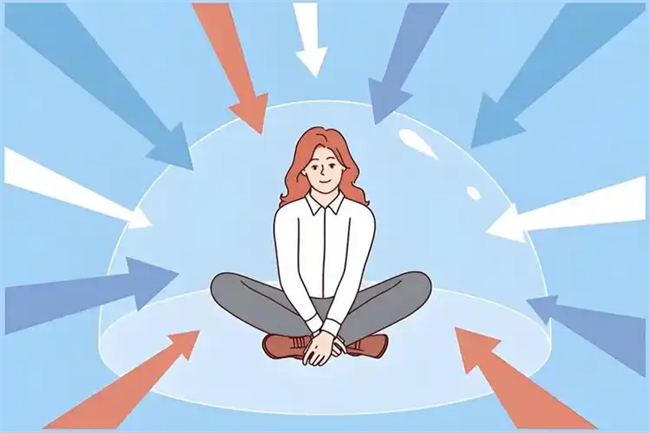
Before the event, the mind runs simulations. It imagines awkward silences, weird jokes, being left out of conversations. After the event—or after declining—it replays moments and magnifies small mistakes. This is overthinking in its most social form, and it feeds on uncertainty.
Humans are wired to care about belonging. For most of history, being excluded from the group was genuinely dangerous. So the brain treats social risk as real risk, even when the stakes are just a casual dinner.
For introverts, this system can feel especially loud. Introverts often notice subtle social cues more easily—a change in someone’s tone, a pause that lasts a beat too long, a look that might mean something. That sensitivity is a strength in many ways. But it also creates more material for the brain to interpret, and more opportunities to assume the worst.
Then comes the self-monitoring. You start watching yourself from the outside: Am I talking too much? Too little? Did that joke land? Am I being weird? This splits your attention. Instead of being in the conversation, you’re grading yourself during it.
And because social situations are ambiguous—you can’t always know what someone really thinks of you—the mind often fills the gap with negative assumptions. “She didn’t reply right away, so she’s probably annoyed.” “He looked away, so he must be bored.” These conclusions feel like facts, but they’re guesses.
That’s the real source of social exhaustion for many introverts. Not the people. The mental commentary.
Three Practical Ways to Make Socializing Feel Less Heavy
You don’t need to become an extrovert. You just need a few tools to interrupt the cycle.
1. Separate facts from guesses
When you notice yourself spiraling, pause and ask: what actually happened, and what am I adding?
Fact: “She didn’t respond to my message for two days.”
Guess: “She’s upset with me.”
Write both down if it helps. The goal isn’t to force a positive interpretation—it’s to remind yourself that your interpretation is one possibility among many. This simple habit reduces the grip of negative assumptions and gives you room to respond instead of react.
2. Set a “thinking deadline”
Overthinking thrives on open-ended rumination. Give it a boundary.
After a social event, allow yourself ten minutes to reflect. Then close the loop. If your mind returns to it later, tell yourself: “I already reviewed this. Nothing new to solve.” It sounds almost too simple, but it works because it turns endless replay into a contained task.
3. Try one small, specific action
Don’t aim for a total personality change. Pick one tiny behavior for your next social situation.
For example: ask one follow-up question instead of planning your exit. Or stay ten minutes longer than you normally would. Or send one message to someone you’ve been meaning to reach out to—without over-editing it.
The point isn’t the action itself. It’s proving to yourself that you can tolerate a little discomfort and that nothing terrible happens. Over time, that evidence quiets the alarm system.
A Kinder Way to Think About It
If you’re an introvert wondering whether you need to force yourself to socialize, the honest answer is: not force—choose.
You don’t have to say yes to everything. You don’t have to become the person who lights up a room. But it’s worth noticing when avoidance is coming from fear rather than genuine preference.
Most social struggles don’t mean something is wrong with you. They mean you’re human, with a brain that’s trying to protect you in ways that don’t always fit modern life. The pressure you feel usually comes less from the event itself and more from the story you tell yourself about it.
You don’t need a dramatic transformation. You just need one small step, repeated gently, until it feels less like a test and more like a choice.
FAQ
Is it normal for introverts to feel drained after socializing, even with people they like?
Yes, very normal. Introverts often recharge through solitude, so even enjoyable social time can use up energy. Feeling drained doesn’t mean you did something wrong or that you don’t like the people. It just means your energy works differently, and planning quiet recovery time afterward can help.
How do I know if I’m avoiding socializing because I’m introverted or because I’m anxious?
A useful question is how you feel afterward. If you skipped an event and feel peacefully content, it was likely a genuine preference. If you feel relief mixed with regret, sadness, or frustration, anxiety may be steering the decision. Introversion is about energy; anxiety is about fear.
What should I do if I want to socialize more but keep canceling plans?
Start smaller than you think you need to. Choose one low-pressure plan—coffee instead of a full dinner, a short walk instead of a party. Tell a friend you’re trying to push past some social hesitation. Making the plan easier to keep reduces the urge to cancel.