

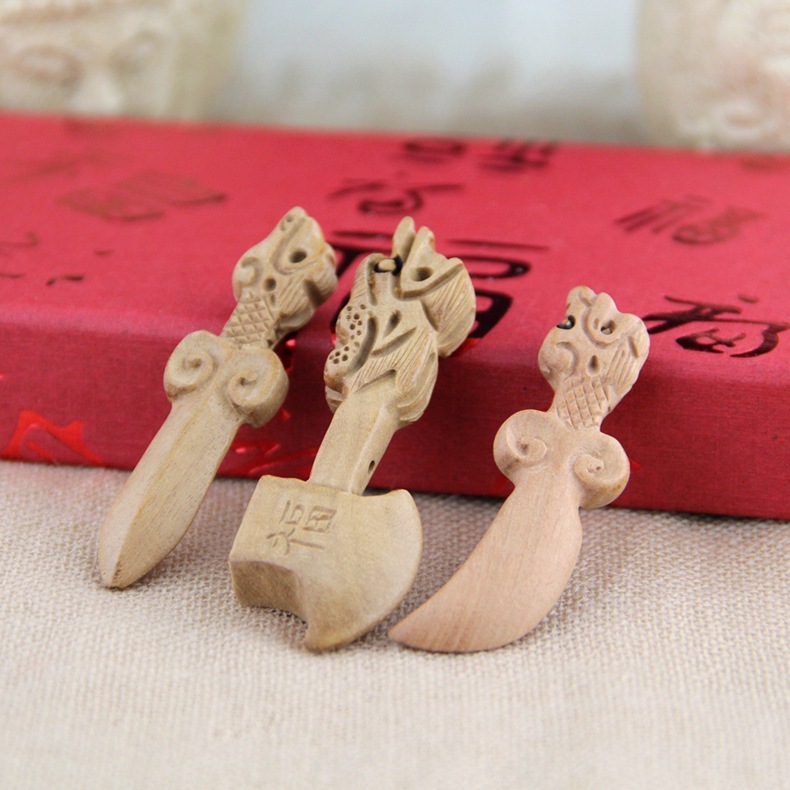
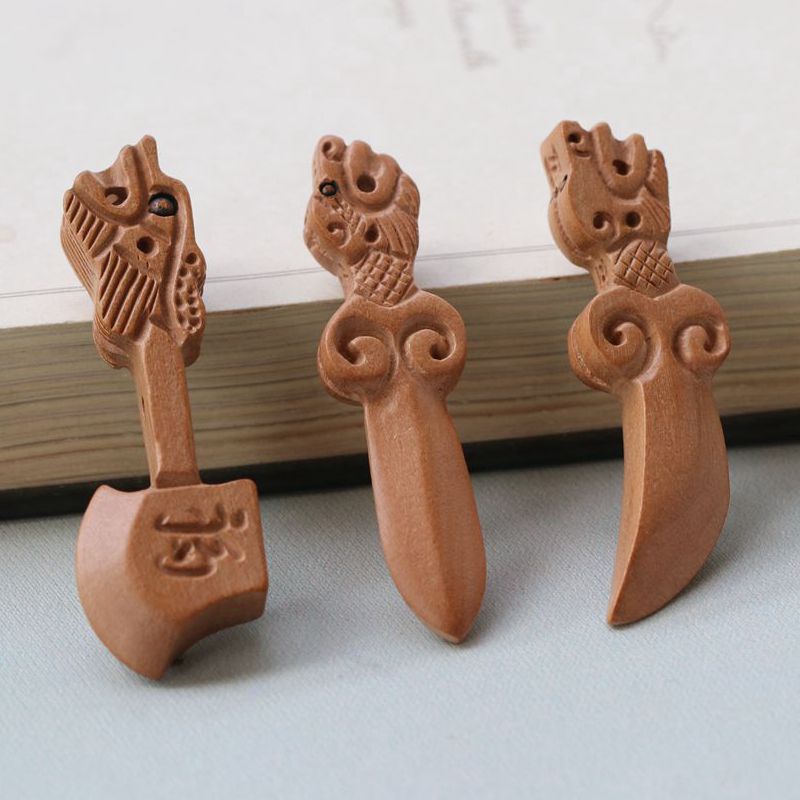
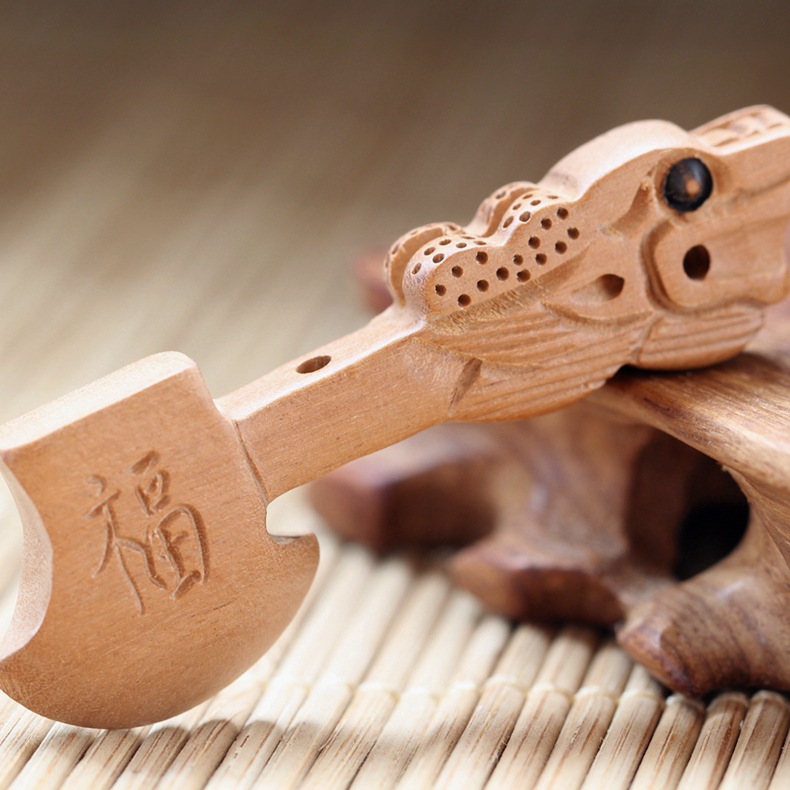
On Elaine’s desk stood a peachwood sword.
It wasn’t one of those red-lacquered toys sold at tourist attractions, but genuine peachwood—a deep red verging on black. The blade was slightly curved, with an extremely fine notch at the edge, as if gnawed by the passage of time. The hilt was wrapped in faded hemp rope, and a small copper bell hung from its end; when the wind blew, it didn’t ring, but merely swayed gently.
It was a memento left by her mother. Her mother’s last words before she passed were, “Don’t let it gather dust.”
Elaine didn’t ask what “it” was. She simply took it as a final wish—like “Remember to water the flowers” or “Don’t forget to lock the door”—a trivial concern held dear by someone on their deathbed.
She placed the peachwood sword next to her monitor, using it as a paperweight.
The company had recently been laying off employees. Elaine wasn’t considered a key player in her department, but she wasn’t the first to be let go either. She clocked in on time every day, replied to emails instantly, and was never late for meetings. She was like a knife that had been ground down to a dull edge—not sharp, but not worth throwing away either.
But lately, she’d had the constant feeling that someone was watching her.
Not a coworker. It was the kind of gaze that seeped in from behind, from the corners, from the cracks between stacks of files. When she turned around, there were only empty chairs. She checked the security footage, but the images were as blank as if they’d been erased.
Only the peachwood sword remained. Every time she sensed something was off, the brass bell on its hilt would tilt slightly, as if pointing in a certain direction.
She began to pay attention.
The first time, the bell pointed toward the printer. She walked over and found a sheet of paper jammed inside—it was the proposal she’d submitted last week that had been rejected, with the comment “lacks aggressiveness” scrawled on it.
The second time, the bell pointed toward the break room. She pushed open the door and saw her supervisor whispering with HR; as soon as they saw her enter, they fell silent. That afternoon, she received a notice of reassignment.
The third time, the bell pointed toward her own desk drawer.
She pulled it open to find an unsent resignation letter lying inside. She didn’t remember writing it.
Elaine stared at the letter, her fingertips growing cold. She hadn’t written it. The handwriting was hers, the tone was hers—even the hesitant comma after “I’m tired” bore the mark of something she might have typed and then deleted late at night.
But she hadn’t written it.
She looked up at the peachwood sword. The notch in the blade glowed faintly under the light, like an old wound. The bronze bell hung quietly, no longer swaying.
She suddenly remembered her mother on her deathbed, her hand pressed firmly against her chest, as if holding something down. At the time, she’d thought it was pain.
Now she felt it was suppression.
Elaine tore up her resignation letter. She tossed the scraps into the shredder, which hummed like a stifled sigh.
She didn’t request a transfer. Nor was she laid off.
She simply began wiping down the peachwood sword with a soft cloth every morning. Her movements were gentle, as if she were soothing something.
A coworker asked her, “Does that sword ward off evil spirits?”
She smiled. “No, it wards off myself.”
No one understood.
Until one late night while working overtime, when she was the only one left on the entire floor. She got up to go to the restroom and, as she passed her workstation, suddenly stopped.
The tip of the peachwood sword was pointing directly at the spot where she had been sitting just moments before.
And that spot was empty.
She stood there, and suddenly realized—
It wasn’t the sword pointing the way.
It was the place she had been hiding all along—that’s why the sword had no choice but to point there.
She walked back, sat down, and gently turned the sword so it faced the window.
Outside the window were the city lights, like countless unhealed wounds.
She didn’t polish the sword again.
But the next day, she took the initiative to speak with her supervisor about taking the lead on the project.
The supervisor paused for three seconds, then nodded.
As she walked out of the office, she heard the soft jingle of a bronze bell behind her.
This time, she didn’t look back.
Some things don’t need to be seen.
It’s enough that they simply exist.