

The headline was printed in a font James hadn’t seen in twenty years.
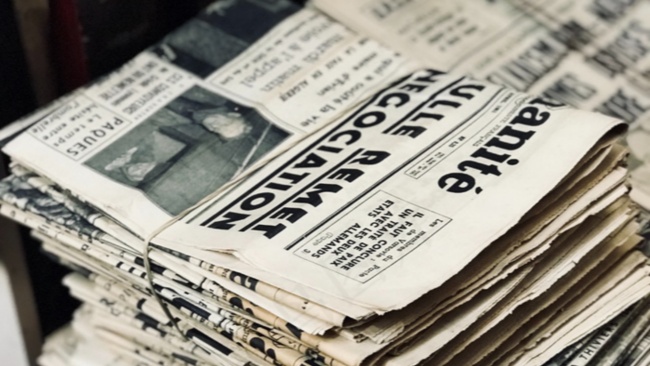
It sat on his front porch on a Tuesday morning, folded once, tucked under a terracotta pot his mother had bought at a flea market in 1998. The paper was yellowed at the edges, soft as cloth where it had been creased too many times, and the date at the top read September 15, 2026.
Today.
James crouched down and picked it up. The paper smelled like old basements and coffee rings. The masthead readThe Cedar Harbor Gazette, a newspaper that had stopped printing in 2009. He remembered the day clearly because he’d been the one to carry the last bundle off the press, back when he was twenty-two and thought leaving a small town was the same thing as becoming someone.
The headline on the front page was small, almost modest:
LOCAL MAN RETURNS TO CEDAR HARBOR AFTER TWENTY YEARS
James turned the paper over slowly. The rest of the pages were filled with stories he almost recognized. A school board election. A fire at the old mill. A classified ad for a used kayak. But the article under the headline was about him.
It described a man who had moved to Chicago, worked in advertising, lost a marriage, and come back to the coast “with no particular plan and a car full of boxes.” The byline was his mother’s name.
He sat down on the porch step. The paper trembled in his hands, not from wind—there was none—just from the weight of reading his own life printed in ink that should not exist.
The article was not cruel. It was not a celebration either. It was the kind of piece his mother would have written: careful, factual, with one sentence at the end that made his chest tighten.
“James Whitfield arrived on a Sunday, when the light over the harbor was the color of old pennies. He did not call ahead. He did not knock. He only stood in the doorway for a long time before he said, ‘I’m home.'”
James looked up at the house behind him. The paint was peeling. The garden had gone wild. His mother had sold it three years ago and moved to Florida, and he had bought it back six months later because the price was low and because he could not explain why he kept dreaming about the kitchen window.
He had not written the article. His mother had not written it. The newspaper had been dead for seventeen years.
He flipped to page four. There, in the obituaries, was a notice he had not expected.
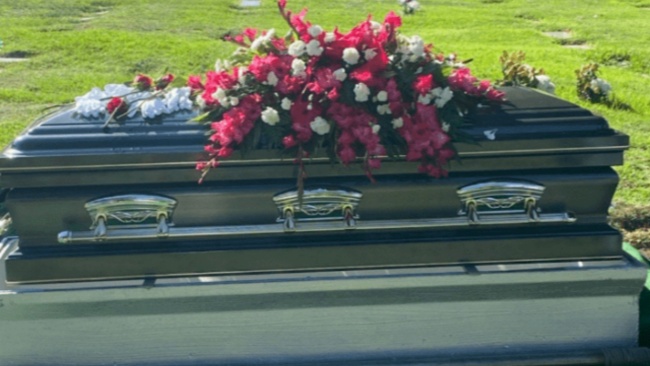
WHITFIELD, MARGARET ELLEN, age 74, of Cedar Harbor. Beloved mother, retired journalist, keeper of small truths. Survived by one son, James, who learned too late that some doors do not stay open forever.
James stopped breathing for a moment.
Then he read the date of death.
September 14, 2026.
Yesterday.
The porch was very quiet. A gull cried somewhere over the rooftops. The pot beside him held a dead geranium, brown and curled at the edges. James looked at the obituary again, then at the article about his return, then at the date at the top of the page.
He had not spoken to his mother in four months. Their last conversation had been a voicemail he did not return because he was driving, and then another, and then silence had become its own kind of answer.
He told himself he would call this weekend. He told himself there was time.
James folded the newspaper carefully and stood. The front door of the house was unlocked. Inside, the hallway smelled faintly of lemon polish and dust. On the kitchen counter, beneath a chipped blue mug, was a note in his mother’s handwriting.
It said only:
If you come back, don’t leave the porch light off again.
He had not turned it on when he arrived last night.
James went to the window and looked out at the porch. The newspaper was gone. The terracotta pot sat empty, the way it had been when he first walked up the steps.
He did not know what he had found. He did not know whether the paper had been real, or whether grief had finally learned how to knock.
But he went to the hallway switch and turned on the porch light anyway, though it was still morning, though the sun was bright over the harbor, though no one could see it from the street.
He left it on.
And for the first time in a long time, the house did not feel like a place he had returned to.
It felt like a place that had been waiting.