

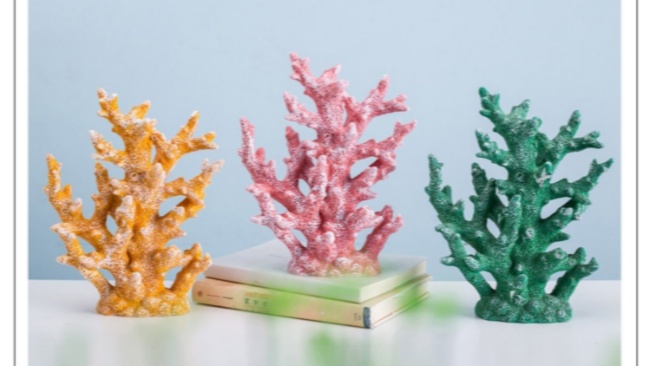

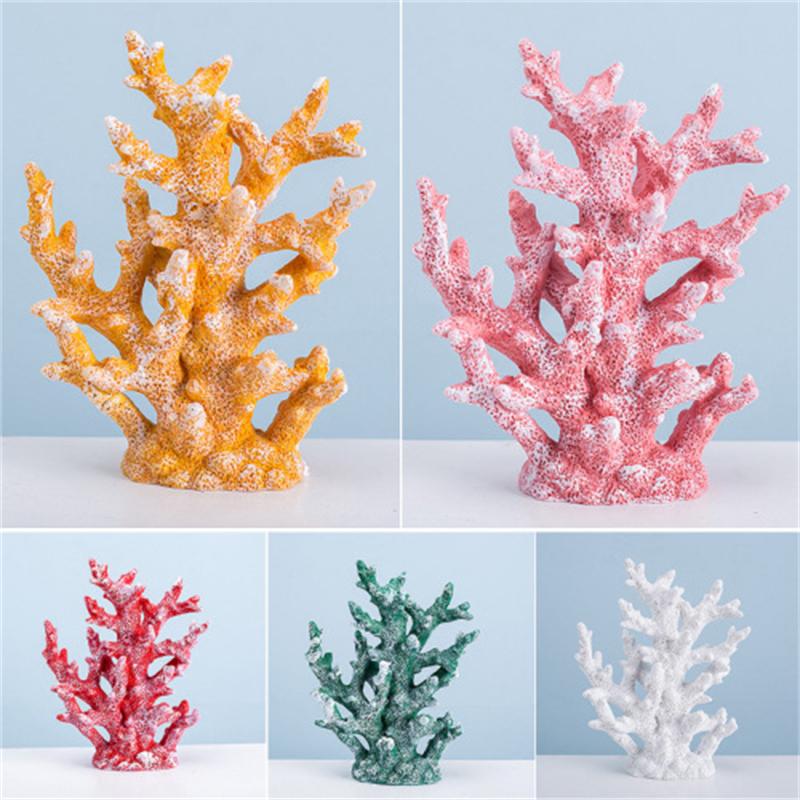
In the corner of Lena’s desk sat a resin coral ornament. It was a soft, warm orange all over, with tiny white specks dotting its branches—as if waves warmed by the sun had been frozen in resin. She’d picked it up on a whim at a home goods store last month, simply to add a touch of “the ocean’s spirit” to her monotonous cubicle.
But lately, this piece of coral has been unsettling her.
At first, it was just her imagination. When working late into the night, she’d often feel as though the coral’s branches were swaying gently, as if an invisible current were brushing against them. She’d rub her tired, stinging eyes, assuming it was a hallucination caused by the dim lighting. Until that early morning, when she arrived at the office half an hour early and discovered a small puddle of water beneath the coral’s base—not condensation from the air conditioner, but a damp stain with a faint salty taste.
She crouched down, and when her fingertips touched the resin’s surface, she felt a faint warmth.
“Lina, are you spacing out again?” Her colleague Mark walked by carrying a cup of coffee and glanced at her desk. “That coral is pretty, but don’t keep it here too long—the resin will fade as it ages.”
Lina didn’t reply. She thought of the diary she’d found while sorting through old belongings last week, with a yellowed photograph tucked inside: a seven-year-old version of herself standing by the sea, holding a real piece of coral, her eyes curved into crescent moons as she smiled. Her mother had once said that coral was “the heartbeat of the sea”—that it breathed while alive and only turned to stone after it died. But the coral in the photo had long since withered; she’d tucked it away in the back of a drawer and never touched it again.
That night, Lena dreamed she was sinking to the ocean floor. She was surrounded by a deep blue glow, and countless coral branches stretched out around her, like countless gentle hands. She heard a faint “gurgling” sound—not bubbles, but a rhythmic, breath-like pattern. When she woke up, it was still dark. The coral on her desk faced the window, and the first rays of morning light filtered through its branches, casting shifting patches of light on the desk—and the shape of those patches was exactly the same as the ripples on the ocean floor in her dream.
She suddenly realized that it had been a long time since she had “breathed.”
Not the physical act of breathing, but that feeling of “being alive.” Her days were filled with reports, meetings, and KPIs; even eating felt like completing a task. She had forgotten when she last stopped to admire a cloud, or when she last laughed out loud at a joke. She had turned herself into an “artificial coral”—exquisite, stable, and never fading, yet completely devoid of the warmth of life.
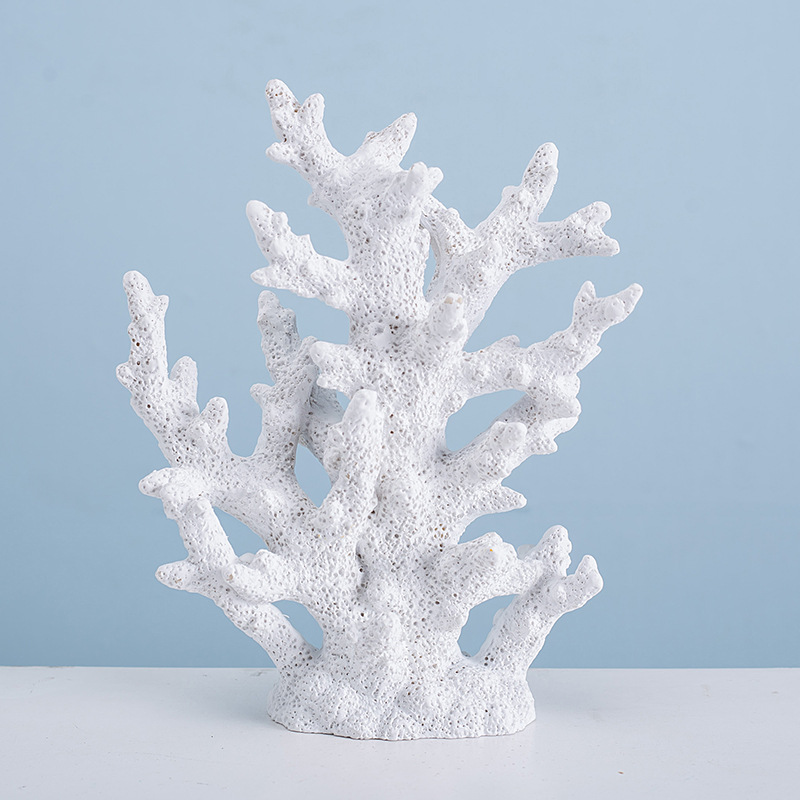
The next day, Lena brought the coral home. Instead of placing it in the entryway or the liquor cabinet, she kept it in a glass tank on the balcony, filled with seawater and small fish, and even researched how to maintain the water quality. She began waking up ten minutes earlier each day to sit on the balcony and watch the coral sway gently in the water; after work, she no longer immediately scrolled through her phone, but instead brewed a cup of tea and listened to the sound of the water.
One weekend afternoon, sunlight streamed diagonally into the glass tank, casting delicate patterns of light and shadow from the coral’s branches in the water. Lina reached out to touch the side of the tank, and a familiar warmth spread through her fingertips. She suddenly smiled—it wasn’t the coral that was “breathing” after all; it was she who had finally learned to breathe again.
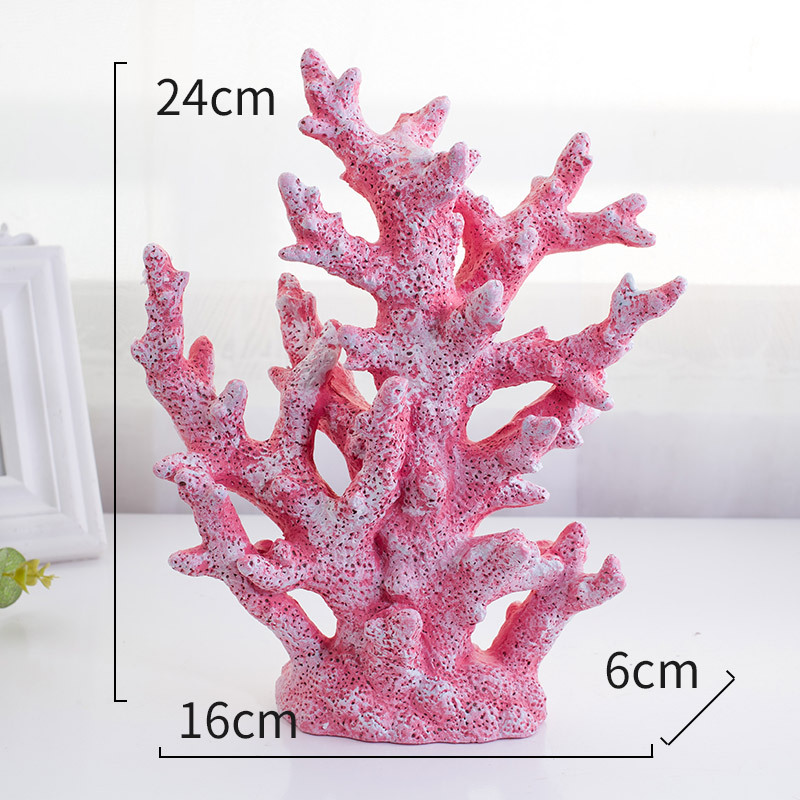
Some things never disappear; they’re just hidden too deeply within us. Just like this imitation coral—though it’s merely a resin replica, it has come to possess a vitality more real than reality itself because it carries a memory and a longing. We always assume that “being alive” requires dramatic proof, yet we forget that the most precious vitality is often hidden in those overlooked, tiny “breaths.”