

Sarah sat in her car for ten minutes after work, staring at her phone. Her colleague Maya had just texted, “Hey, a few of us are grabbing drinks after work. Want to join?”
It was a simple invitation. But Sarah’s mind immediately started racing.Does she actually want me there, or is this just a polite gesture? What if I show up and everyone is already deep in conversation? What if I sit there awkwardly checking my phone?
She typed “Sure, sounds fun!” then deleted it. She typed “Maybe, what time?” then deleted that too. Ten minutes passed. The group chat buzzed with others confirming. By the time Sarah finally sent a hesitant “I’ll try to stop by!”, the conversation had moved on. She ended up going home alone, replaying the whole exchange in her head, wondering why something so small felt so exhausting.
(This story is fictional and used for psychological scenario demonstration only.)
The Hidden Weight Behind a Simple Invitation
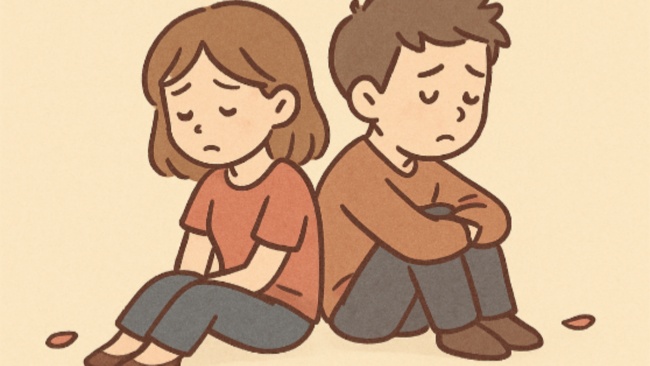
What Sarah experienced wasn’t really about drinks with coworkers. It was about the invisible mental labor that comes with adult socializing. The question itself —why is it so hard to make real friends as an adult — often starts with moments exactly like this: a small social opportunity that triggers a surprisingly large amount of inner turmoil.
Many adults find themselves in this position. You want connection, but the process of reaching out, showing up, or even responding to a message feels heavy. It’s not that you don’t care about people. It’s that your brain has started treating every social interaction like a test you might fail.
What’s Really Happening in Your Mind
The reason adult friendship feels difficult isn’t because you’ve lost the ability to connect. It’s because your brain has developed several protective habits that, ironically, make connection harder.
First, there’s overthinking. When you’re younger, socializing often happens naturally — you’re in the same class, the same dorm, the same team. As an adult, every interaction requires more intention, and that extra space gives your mind room to fill in uncertainties with worst-case scenarios.
Then there’s the fear of judgment. Adults carry more social history — past rejections, awkward moments, friendships that faded. Your brain starts using those memories as evidence that reaching out is risky. So instead of seeing an invitation as a chance to connect, you see it as a situation where you could be evaluated and found lacking.
There’s also excessive self-monitoring. You start watching yourself in real time:Am I talking too much? Did that joke land? Do they actually enjoy my company, or are they just being nice? This constant internal commentary drains the energy that could otherwise go toward actually enjoying the moment.
Finally, adults face genuine structural barriers. People have jobs, families, routines, and limited free time. Even when two people genuinely like each other, coordinating schedules can feel like project management. This ambiguity — not knowing whether someone is too busy or just not interested — feeds the cycle of doubt.
Three Practical Ways to Ease Social Pressure
Separate facts from guesses
When you catch yourself spiraling, pause and ask:What do I actually know, and what am I assuming? In Sarah’s case, the fact was: Maya invited her. The guesses were:She doesn’t really want me there; people will think I’m awkward. Writing this down — even mentally — helps your brain recognize that most of the stress comes from interpretation, not reality.
Set a “worry window”
Instead of letting social anxiety run in the background all day, give yourself a specific five-minute window to think it through. Set a timer. During that time, you can replay the conversation, imagine outcomes, or draft responses. When the timer ends, you make one small decision — send the reply, accept the invitation, or let it go — and move on. This prevents hours of circular thinking.
Lower the stakes of each interaction
Real friendship doesn’t start with a deep, meaningful conversation. It starts with repeated, low-pressure contact. Instead of thinking,This drink outing needs to go perfectly, try thinking,I’ll show up for 30 minutes and see how it feels. Short, casual encounters build familiarity over time without the pressure of performing.
Small Steps Still Count
Struggling to make friends as an adult doesn’t mean something is wrong with you. It means you’re navigating a stage of life where connection requires more intention, and your brain is trying to protect you from perceived social risk. The good news is you don’t need to overhaul your personality or become instantly outgoing. You just need to notice when your mind is adding extra weight to a simple moment — and gently set some of it down.
FAQ
Why do I overthink every social interaction?
Overthinking often happens when your brain is trying to predict and prevent social rejection. It’s a protective habit, not a flaw. The more you practice separating facts from assumptions, the less power those automatic thoughts will have.
Is it normal to feel anxious about making friends as an adult?
Yes, it’s very common. Adult life has fewer built-in social structures, and past experiences can make you more cautious. Feeling hesitant doesn’t mean you’re bad at socializing — it means you care about connection and want it to feel genuine.
What should I do if I keep avoiding social invitations?
Start smaller. You don’t need to say yes to every event. Try accepting one low-commitment invitation — a short coffee, a quick group lunch — and notice what actually happens versus what you feared. Each small experience helps recalibrate your expectations.