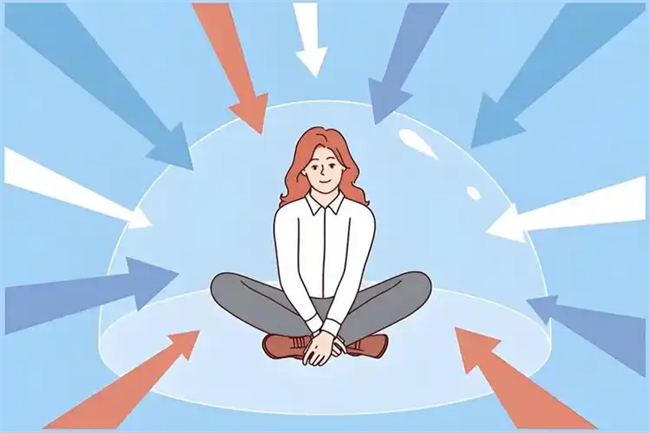



The coffee shop was warm, the playlist was soft, and the conversation with my colleague, Maya, had been perfectly pleasant. We laughed about a shared project deadline and debated the best lunch spots nearby. It was a standard forty-five-minute catch-up. Yet, the moment I stepped out onto the sidewalk, my shoulders dropped, and a heavy wave of exhaustion hit me.
It wasn’t physical tiredness. I hadn’t run a marathon. It was a mental drain that felt like my battery had been ripped out. As I walked to my car, the replay button in my brain hit play.Did I talk too much about my weekend? When she checked her phone, was she bored? Did my joke about the boss land wrong? I should have asked more questions.
By the time I got home, I felt paralyzed. I didn’t want to text anyone else. I didn’t want to cook. I just wanted to lie in the dark. It felt ridiculous to be this depleted after such a low-stakes interaction. I wasn’t anxious during the coffee date; I was functional and friendly. So why did the aftermath feel like a crash? It felt like my mind was running a marathon while my body was sitting still, burning energy on worries that likely didn’t exist.
(This story is a fictional case, used for psychological scenario demonstration only.)
Why a Simple Chat Feels Like Hard Labor
If Maya’s experience sounds familiar, you are not alone. Many people feel fineduring a social event but crash immediately after. This phenomenon is often described as social internal friction.
When we ask why social internal friction makes you tired, the answer usually isn’t that the socializing itself was difficult. The exhaustion comes from the invisible work happening behind the scenes. It is the mental processing power used to analyze, judge, and re-live interactions that are already over.
While extroverts might recharge by talking, those prone to social friction often spend their energy on “post-game analysis.” You aren’t just tired from talking; you are tired from the intense cognitive load of monitoring yourself and trying to predict how others perceived you.
The Hidden Mechanics of Mental Exhaustion
To understand why this happens, we have to look at what the brain is doing during and after these interactions. The fatigue usually stems from a few specific psychological habits.
1. Excessive Self-Monitoring
During the conversation, a part of your brain acts as a strict supervisor. Instead of just flowing with the chat, you are constantly checking:Is my voice too loud? Am I making enough eye contact? Do I look awkward? This split attention requires a massive amount of glucose and mental energy. You are essentially performing a play while simultaneously critiquing your own acting.
2. The Ambiguity Gap
Human interaction is full of ambiguity. A pause in conversation could mean the other person is thinking, or it could mean they are bored. A short text reply could mean they are busy, or it could mean they are angry. Brains that are prone to social friction hate uncertainty. To resolve this, your brain tries to “solve” the ambiguity by generating negative assumptions.
3. The Rumination Loop
This is the biggest energy thief. After the event, your brain tries to protect you from future social rejection by reviewing the “tape.” It scans for errors. However, because memory is reconstructive, you often view the interaction through a harsh, critical lens. You aren’t remembering what happened; you are re-living your fears about whatmight have happened. This loop keeps your nervous system in a state of low-level stress, which is physically draining.
3 Ways to Stop the Energy Leak
You cannot simply flip a switch to stop caring, but you can change how you process these moments. Here are three practical ways to reduce the drain.
Label Facts vs. Stories
When you start feeling that post-social crash, grab a piece of paper or open a note on your phone. Draw a line down the middle. On one side, write Facts. On the other, write Stories.
Fact: Maya looked at her phone for ten seconds.
Story: She was bored and checking the time because I am dull.
Fact: I stumbled over my words once.
Story: Everyone thinks I am weird.
By separating these, you force your brain to see that the “Story” is just a guess, not reality. This reduces the emotional weight of the memory.
Set a “Worry Window”
Rumination expands to fill the time you give it. Instead of letting your brain replay the event all evening, give it a specific time slot. Tell yourself,”I will think about this interaction for 10 minutes at 7:00 PM.”
When the time comes, you can worry as much as you want. But when the timer goes off, you must physically get up and change your activity—wash dishes, take a shower, or go for a walk. This creates a boundary that prevents the social friction from consuming your entire night.
Shift the Spotlight Outward
In your next social interaction, try to move the spotlight off yourself. Instead of monitoring your own hands or voice, focus entirely on the other person. Notice the color of their eyes, the specific words they choose, or the background noise in the room.
When you are genuinely curious about the external world, your brain has less bandwidth to spend on self-criticism. This lowers the “performance anxiety” that leads to exhaustion later.
Finding Peace in Imperfect Interactions
Socializing shouldn’t leave you feeling like you’ve run a marathon. If you often feel drained, it doesn’t mean there is something wrong with you or that you are bad at people. It usually just means your brain is working overtime to keep you “safe” from judgment.
The goal isn’t to become the most charismatic person in the room instantly. The goal is to lower the cost of connection. By recognizing that your fatigue comes frominterpretation rather thaninteraction, you can start to let go of the need to be perfect. Start with one small step, like catching a negative thought and labeling it as a guess. Over time, the mental noise quiets down, and you might find you have plenty of energy left for yourself after saying hello.
FAQ
Why do I feel depressed or anxious after hanging out with friends?
This is often a “social hangover” caused by over-processing. If you spent the interaction monitoring your behavior or worrying about judgment, your brain is exhausted from the effort. It can also happen if the social interaction didn’t align with your true personality, forcing you to “mask” or perform, which depletes your mental reserves.
How can I stop replaying conversations in my head at night?
Try to interrupt the pattern with a physical or mental reset. Acknowledge the thought (“I am ruminating again”), then deliberately shift your focus to a sensory experience, like the feeling of your blankets or the sound of a fan. You can also write the thoughts down to get them out of your head, telling your brain, “It is saved on paper; I don’t need to hold it in my memory anymore.”
Is it normal to feel tired after socializing even if I like people?
Yes, absolutely. Socializing requires cognitive processing, emotional regulation, and sensory input. Even positive interactions consume energy. If you are an introvert or highly sensitive, your threshold for this stimulation might be lower. Feeling tired is a signal that your battery needs recharging, not a sign that you dislike your friends.