
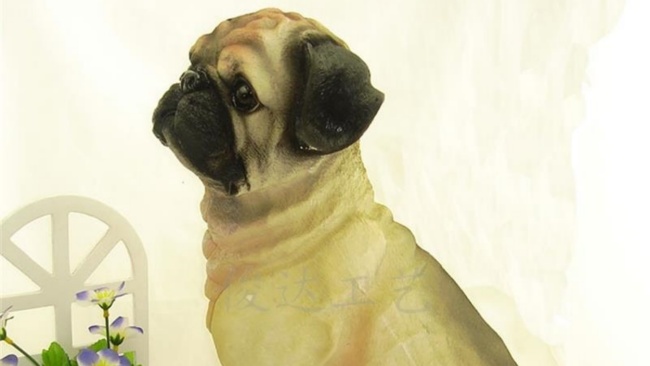

It was exactly 9:00 p.m. when Ethan placed the lifelike dog figurine on his desk.
It was a Corgi, made of resin, painted so realistically that even the fine hairs on its ears were clearly visible. It was lying on the floor, its chin resting on the desk, its pair of jet-black glass eyes staring intently ahead. Ethan had picked it up at a flea market; the vendor had told him the dog had a name: “The Watcher.”
“The Watcher,” Ethan repeated to himself, feeling that the name suited him perfectly right now.
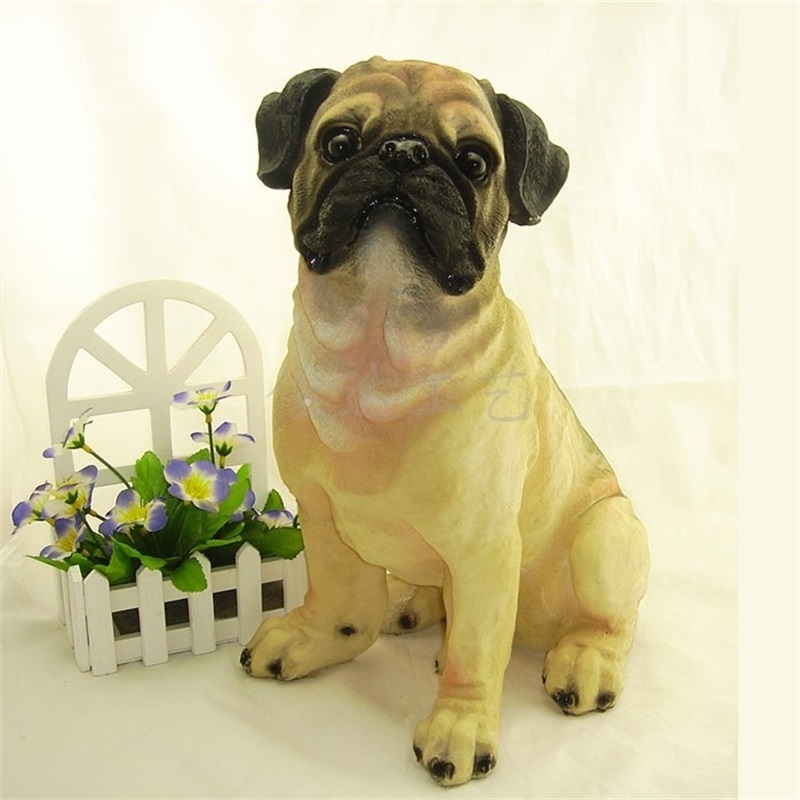
As the lowest-ranking auditor in the company, Ethan was just like this dog—perched in his cubicle, staring at accounts that never balanced, and had been doing so for three years. No promotions, no raises—just a receding hairline and increasingly severe migraines.
Tonight’s financial statements were wrong again.
Ethan scratched his head in frustration and slammed a stack of papers down on the desk. The papers scattered, covering exactly half of “The Watcher’s” head.
“Stop looking,” Ethan whispered to the dog, a hint of self-mockery in his voice. “You think I’m an idiot too, don’t you?”
The glass eyes didn’t move, but Ethan couldn’t help feeling that, in the dim glow of the desk lamp, there was a hint of mockery in that gaze.
Over the next few days, Ethan noticed something strange.
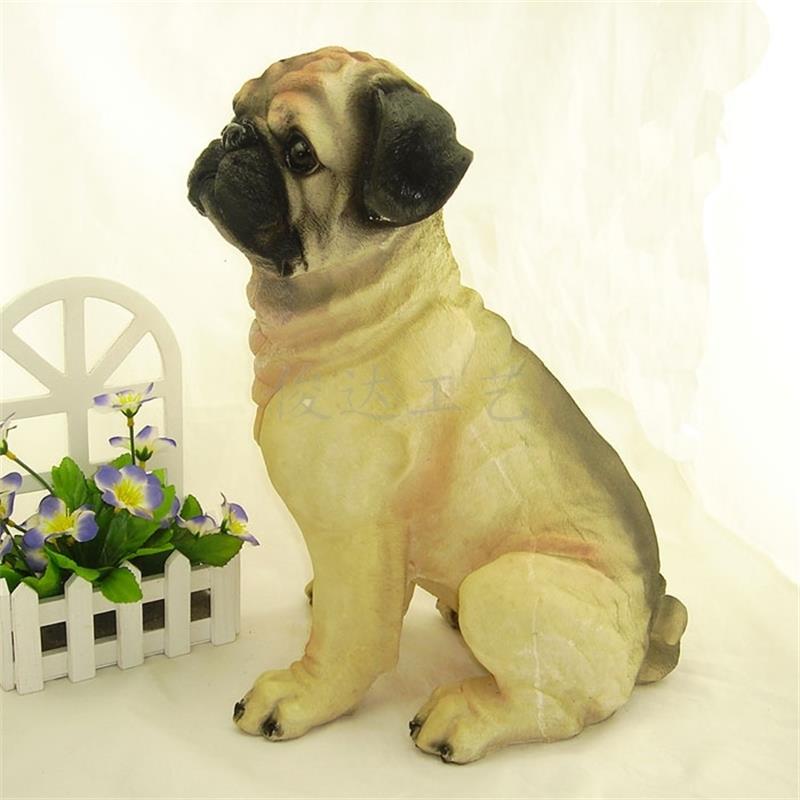
Every time he tried to alter critical data—his fingers hovering over the keyboard in hesitation—he’d catch a glimpse of the dog out of the corner of his eye. It lay there, eerily still. It wasn’t the silence of a lifeless object, but the kind of stillness that comes from holding one’s breath in anticipation.
On Wednesday, the department manager called Ethan into his office and hinted that if he simply wrote off this bad debt, he’d be promoted to supervisor by the end of the year. Ethan clutched his pen, his palms drenched in sweat.
Back at his desk, he looked at “The Watcher.”
This time, he saw clearly. The corners of the dog’s mouth seemed to curve upward ever so slightly, as if it were smiling—or perhaps offering encouragement.
Ethan’s hand trembled.
He suddenly realized that the dog wasn’t mocking his incompetence, but his hesitation. It lay there not out of loyalty, but because it was waiting—waiting for the prey to walk into the trap on its own, waiting for the prey to slip its neck into the noose.
That night, Ethan didn’t alter the data.
He organized the source documents, sent them directly to the Compliance Department, and then shut down his computer.
As he walked out of the building, the night breeze was cold. Ethan glanced back at the pitch-black office building and suddenly felt as though the dog was still watching him from behind the window.
The next day, Ethan was suspended.
As he packed up his things, he picked up the “Watcher.” The resin felt cold to the touch and was heavy in his hands.
He stared at the glass eyes and suddenly noticed a detail.
The dog’s eyes weren’t simply embedded in its head.
They were two bottomless black holes, leading into a hollow skull.
Ethan froze.
He suddenly realized this wasn’t a lifelike dog at all. It was a vessel.
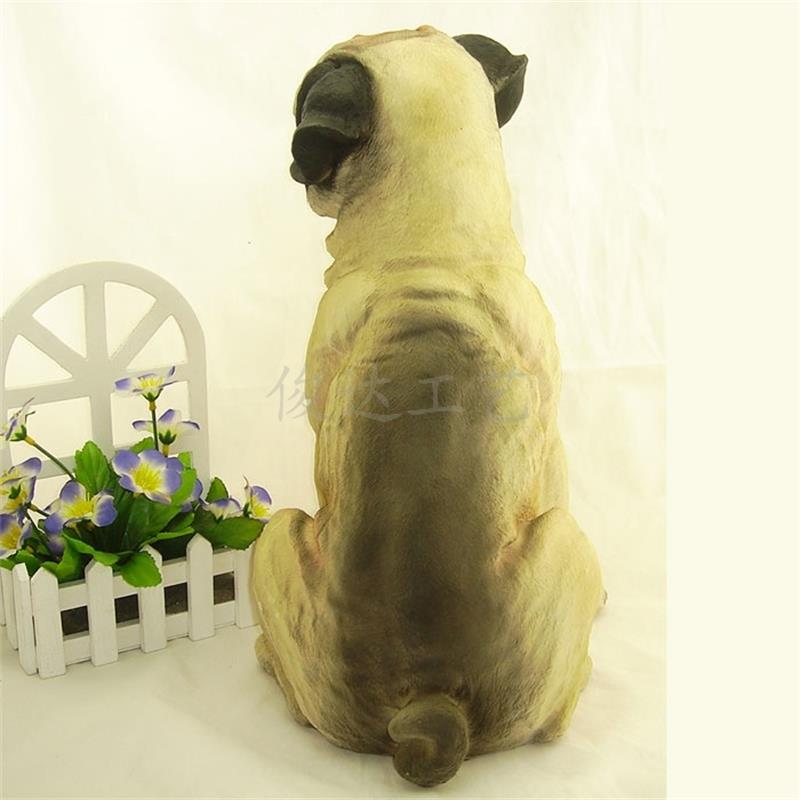
For three years, he had fed it his anxiety, fear, greed, and cowardice, bit by bit. He thought he was keeping an ornament, but in reality, he was raising a surrogate.
Now, he felt empty.
And the dog seemed to weigh a little more than when he first bought it.
Ethan set the dog back on the desk and turned to leave.
The moment he stepped through the front door, he glanced back.
Sunlight streamed through the glass window onto the desk; the Corgi was still lying there, motionless.
But Ethan could have sworn he saw its shadow—and it wasn’t lying on the desk.
The shadow was standing, its back to him, walking deeper into the office.