
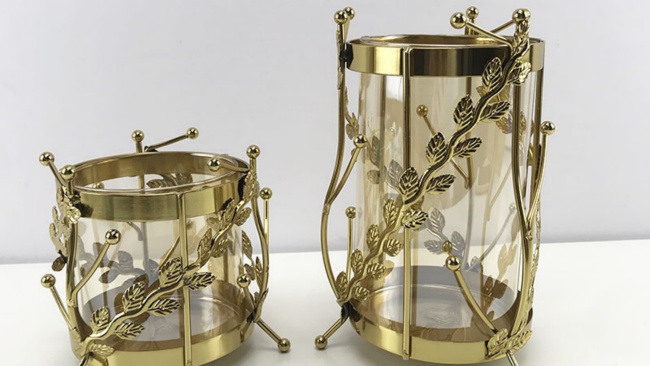

The most eye-catching object in Emily’s apartment was the metal-patterned vase in the corner of the living room. It was entirely gilded, with a vine-like metal frame tightly wrapping around a transparent glass inner vessel—like a knight clad in magnificent armor, guarding the empty void within. It was a gift her boss had given her on the day she was promoted to department head, under the pretext of “celebrating.”
“It suits you perfectly, Emily,” her boss had said with a smile, though his gaze drifted past her shoulder to the wall behind her, which was covered with project timelines. “Sturdy, exquisite, and… it will never make a mistake.”
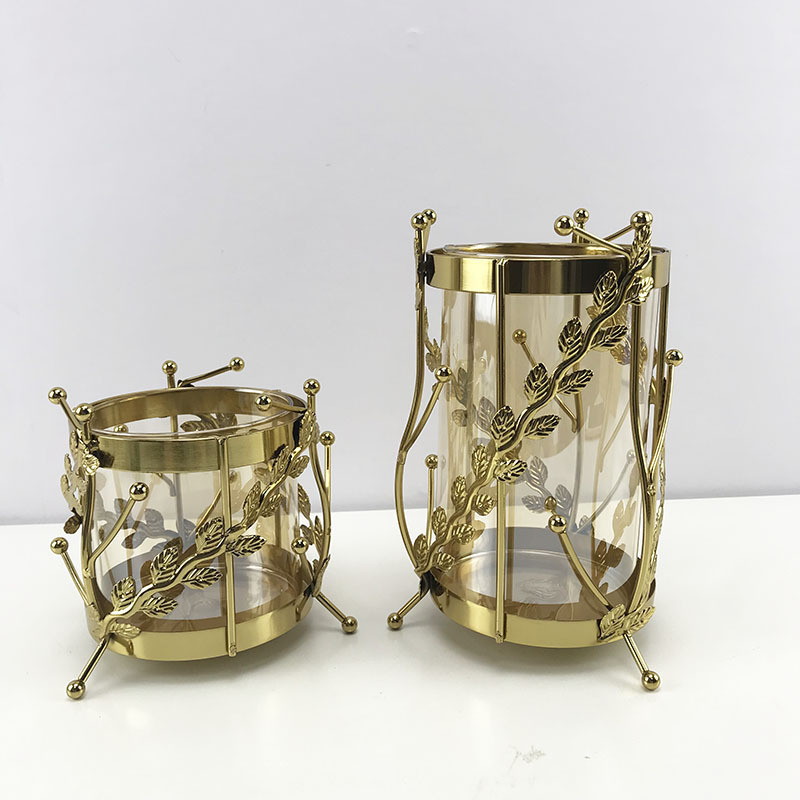
Emily placed it in the most prominent spot in the living room. At first, she saw it as a sign of recognition. But gradually, the vase became a kind of invisible yardstick. Whenever she worked late into the night and dragged her weary body home, the first thing she saw was always the cold, hard gleam it cast under the lights. The golden vines seemed to come to life, silently wrapping around her and constricting her breath. She began subconsciously tidying up the room, making sure everything was as flawless as that vase; she began to choose her words carefully in meetings, afraid of uttering anything less than “refined”; she even started distancing herself from friends who might wrinkle her shirt or disrupt her plans.
She had become nothing more than a meticulously designed ornament.
Until that stormy night. An emergency project went awry, and a young colleague on the team broke down in tears in the office, overwhelmed by stress. Emily instinctively wanted to comfort her with “professionalism” and “composure,” just as she had always done. But when she saw the other woman’s red-rimmed eyes and trembling shoulders, what suddenly flashed through her mind was that metal vase—so beautiful, so sturdy, yet so cold, so… hollow.
For the first time, she didn’t utter the usual platitudes. She simply walked over, gently embraced the crying girl, and said nothing. In that moment, she felt a tiny crack form in the hard, golden shell that encased her.
Back home, the sound of rain pounded against the windows. Emily didn’t turn on the light; she walked straight to the vase. Instead of polishing it as she usually did, she reached out and let her fingertips brush against the cool metal vines. She suddenly realized she had never placed a single flower inside it. It had always been an empty vessel—a cage imbued with the meaning of “perfection.”
She fetched a pair of old scissors and carefully cut through one of the most tightly coiled metal branches. A soft “click” rang out, sounding particularly clear in the silent room. She felt no sense of satisfaction from the act of destruction, but rather a strange sense of relief.
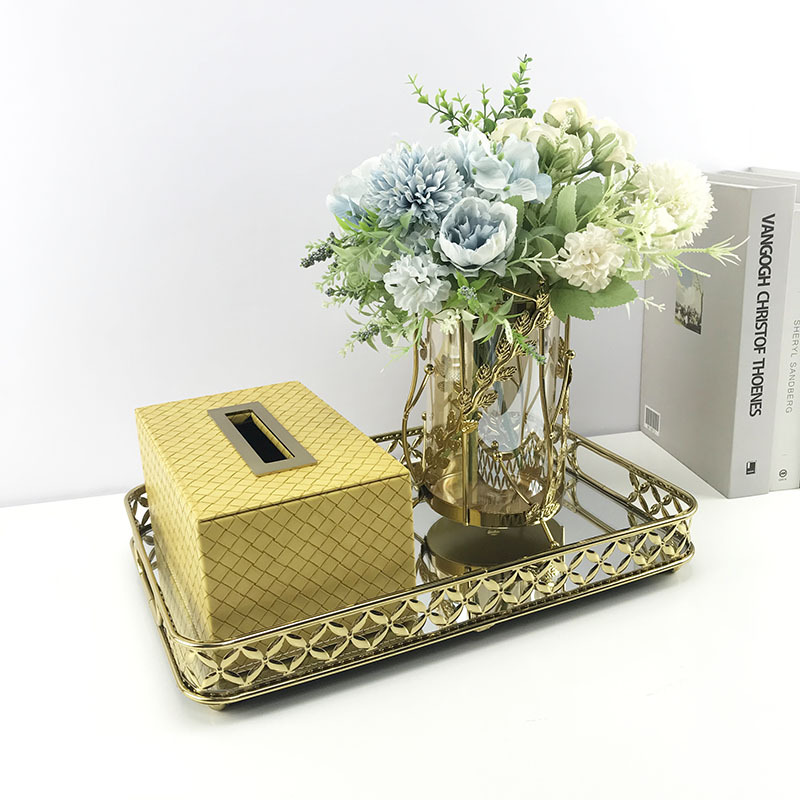
Early the next morning, sunlight streamed in through the gaps in the curtains. Emily placed a bouquet of dew-covered wild daisies into the “ruined” vase. The flowers were crooked and lopsided, defying any principles of floral arrangement; some stems and leaves even poked out beyond the golden frame.
As she looked at it, she felt for the first time that something about the vase had changed. It was no longer a symbol of perfection, but had become a vessel capable of holding imperfection, life, and genuine emotions. And perhaps she, too, could stop being that gilded, infallible ornament.