

Every morning at 8:55, Leo stands in line at “Time” Coffee Shop without fail.
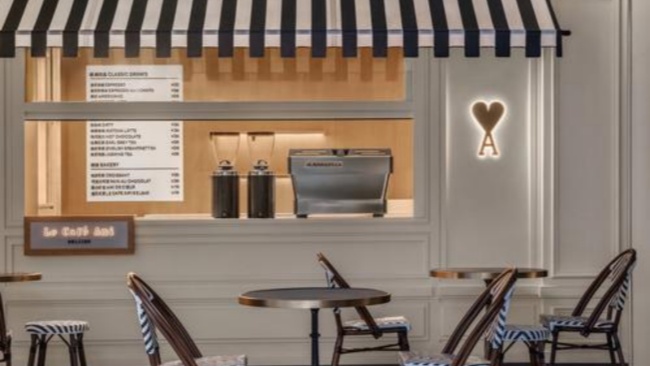
The shop is tucked between Leo’s office building and the subway station; it’s so narrow that it can only fit a coffee machine and two employees. But come rain or shine, there’s always a long line here. Most people in the line are silent, wearing suits that are slightly wrinkled like Leo’s. They stare blankly at their phone screens—or look at nothing at all—simply moving forward mechanically with the crowd.
Leo is a data analyst whose mind is accustomed to processing everything logically. He once spent a week observing this shop, trying to figure out why it was so popular. Were the coffee beans particularly rich and aromatic? Or were the prices extremely low? Neither. The coffee here tasted mediocre, yet it cost a full three times as much as at the convenience store next door.
The only explanation was that it was a “must-stop” on the commute.
“Next.” The clerk was a young man who always wore a baseball cap; his voice was hoarse.
Leo stepped forward and ordered with practiced ease, “One hot Americano, no sugar.”
The clerk didn’t look up, mechanically operating the coffee machine before handing him a paper cup. Leo took the coffee and turned to join the stream of people flowing toward the office building lobby. This cup of coffee, much like the employee ID card he had to swipe every day, was a ritual that kicked off his high-pressure workday.
Until that Tuesday morning.
Leo overslept that day and didn’t make it downstairs until exactly 9:00 a.m. He glanced at his watch, calculating that if he got in line now, he’d definitely be late. But strangely, the line was unusually short today—only two or three people.
He breathed a sigh of relief and quickened his pace.
Ahead of him stood a middle-aged man in a gray trench coat, his back slightly hunched. The man was clutching a crumpled receipt tightly in his hand and muttering to himself.
“One hot Americano, no sugar,” the man told the clerk.
Leo paused for a moment. That was exactly what he had ordered.
The clerk still didn’t look up, skillfully preparing and handing over the drink. The man took the coffee but didn’t leave immediately like everyone else. He stood in front of the counter, looking down at the name on the side of the cup, and suddenly let out a short, eerie chuckle.
“Finally… it’s my turn,” the man murmured.
The next second, the man, coffee in hand, walked straight toward the metal door next to the coffee shop—a door that was always locked and plastered with flyers. Leo passed that door countless times every day and had always assumed it was a storage room.
But today, the door was open.
The man pushed it open. Behind it was not a storage room, but a staircase leading down into the depths of the earth. In that instant, Leo realized with horror that the man’s silhouette was wearing a gray trench coat identical to his own—even the curve of his receding hairline was exactly the same.
“Next,” the barista’s voice interrupted Leo’s thoughts.
Leo stiffly stepped forward and took the coffee. He instinctively looked at the side of the cup; instead of “Leo,” it bore a strange sequence of numbers: 20260720-0900.
That was today’s date and the current time.
He jerked his head back toward the iron door, but it was already closed, as if it had never opened at all.
Leo walked out of the shop holding his coffee; the sunlight was blinding. He took a sip, and the bitter taste spread through his mouth. He suddenly realized that this long line wasn’t there to buy coffee at all.
Everyone in the line was waiting for the moment when it was “their turn,” so they could walk through that door and fill a certain position.
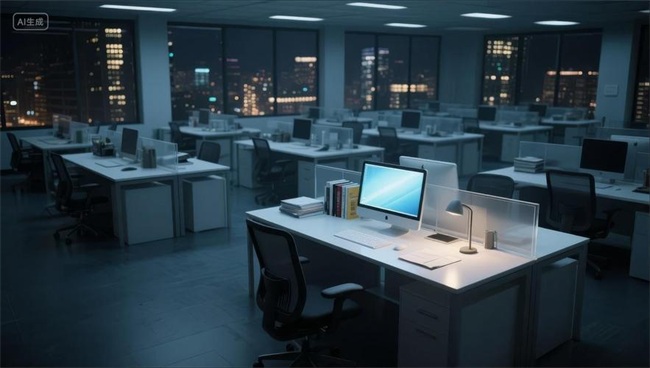
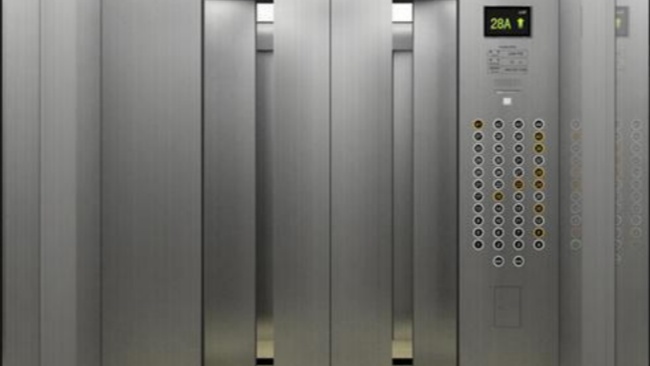
Leo quickened his pace and rushed into the office building. The elevator doors opened; he stepped into the crowded car and looked at his weary reflection in the mirror.
He glanced down at the coffee cup in his hand; the numbers on it seemed to have faded a bit.
“It’s okay,” he told himself, straightening his tie. “At least today, I’m still on the outside of the line.”
But deep down, he knew that tomorrow morning at 8:55, he’d still be there on time. Because the world behind that door might just be where they truly wanted to be.