

On her first day in her new apartment, Amy hung that ship’s rudder on the wall directly across from the sofa in the living room.
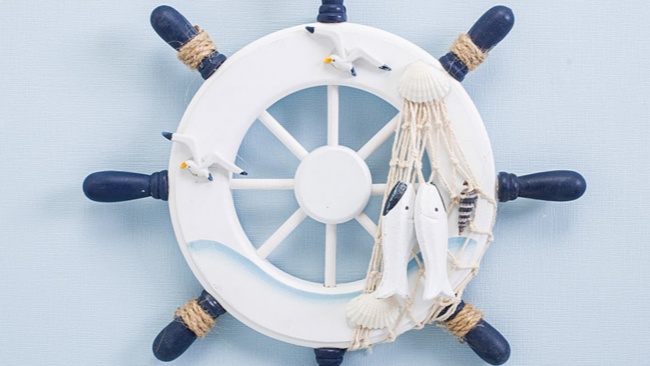
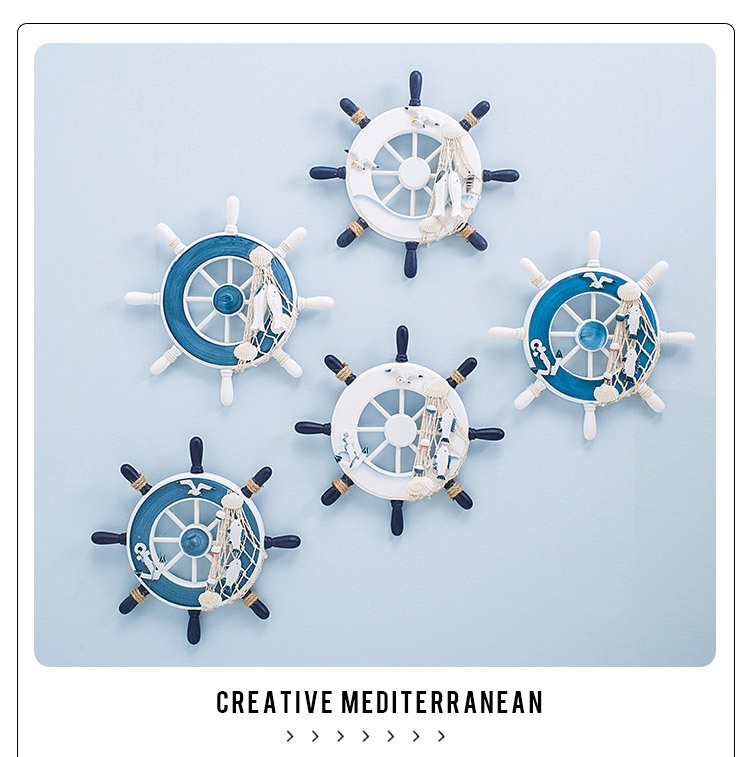
She’d found it at a secondhand shop. It was a white wooden rudder with a deep blue handle, adorned with a faded fishing net, a few small fish figurines, and seashells. The shopkeeper said it had been collected from an old captain’s home, and Amy bought it without even asking the price. She loved the texture weathered by the sea breeze; it was as if she could smell the salty, damp air.
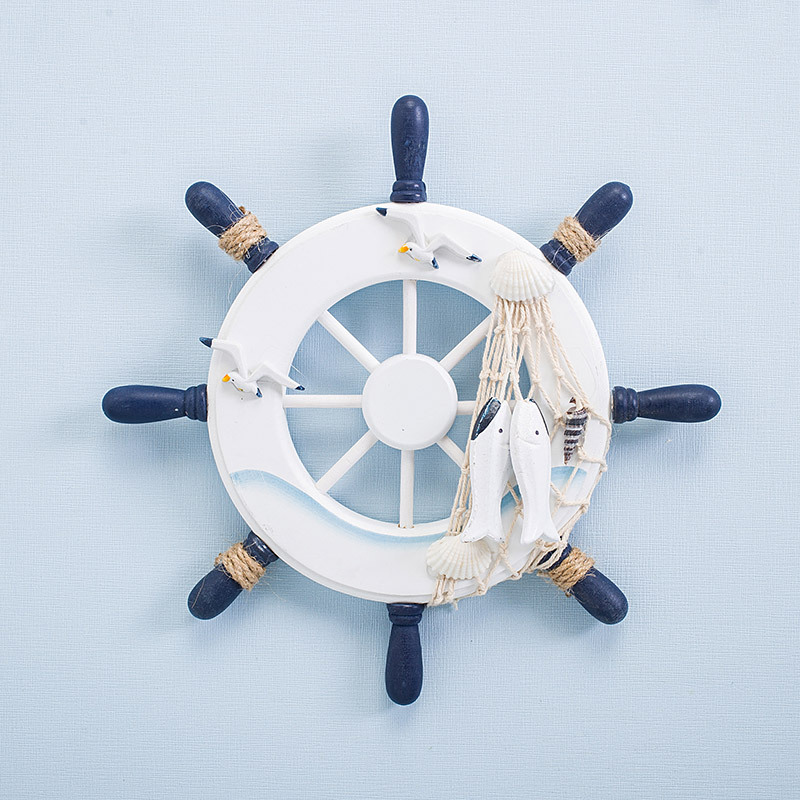
However, Amy’s first month in her new apartment was far from smooth. She worked as a copywriter at an advertising agency, facing endless rounds of revisions and the client’s capricious demands every day. Her life was like that fishing net tangled around the ship’s wheel—impossible to untangle, impossible to cut through. Whenever she came home late at night after working overtime, she’d collapse onto the sofa, and her gaze would always drift involuntarily to that ship’s wheel. It hung quietly on the wall, like a silent observer, watching her exhausted figure.
Strange things began to happen.
At first, they were just subtle differences. Amy remembered tossing her keys haphazardly onto the cabinet in the entryway, only to find them neatly hung on the hook behind the door the next morning. She thought she must have misremembered and didn’t pay it much mind. Then there were the documents on her desk—they had clearly been in a jumble, yet the next day they were arranged in chronological order. What puzzled her most was the ship’s wheel itself. She clearly remembered that when she hung it up, the fishing net had been hanging on the right side, but one morning when she woke up, the net had somehow shifted to the left, and the little white fish figurines seemed to be a bit closer to the center than before.
“I must have gotten confused from being so exhausted after the move,” she told herself.
Until that Friday night. Amy had just finished a proposal for a major project, and the results were disastrous. The client rejected all her creative ideas, and her supervisor mercilessly criticized her lack of “soul” during the meeting. She returned home filled with resentment and frustration, didn’t even turn on the lights, and flopped straight onto the couch. In the darkness, moonlight streamed through a gap in the curtains, falling directly on the ship’s wheel.
She stared at it for a long time. This time, she could see it clearly.
The little fish were no longer hanging there stiffly; their postures had changed. The ones that had been hanging upside down now tilted their heads slightly upward, as if swimming against the current. The tattered fishing net was no longer a tangled knot but appeared to have been gently unfurled by the wind, as if it had just been hauled in from the sea, still carrying the scent of the ocean. Even the deep-blue handles glowed with a warm luster in the moonlight, no longer resembling cold wood.
Amy stood up, walked over to the wall, and reached out to gently touch the steering wheel. The sensation on her fingertips was slightly cool, yet strikingly real.
In that very moment, a thought burst into her mind without warning: Perhaps it isn’t the wheel that’s changing—it’s me.
Over the past month, she had been complaining about the chaos around her, the pressure at work, and the disorder in her life. She had attributed it all to forces beyond her control, feeling like a lone boat adrift on the waves, having completely lost control. As she looked at this ship’s wheel, she subconsciously treated it as a static ornament—an inanimate object used to project her fantasies of a so-called “far-off place.”
But at that moment, watching the little fish that seemed to be swimming, she suddenly realized that this object was called a “rudder” precisely because its very purpose was to “steer the course.”
If life is a ship, then the one at the helm is never anyone else, nor is it luck—it is herself. Those seemingly tangled fishing nets can actually be untangled; those seemingly rigid predicaments can actually be navigated by adjusting her course. She had been staring at the ornament on the wall the whole time, forgetting that she had actually been holding that invisible steering wheel in her own hands all along.
Amy took a deep breath and turned toward her desk. She didn’t turn on the main light; she simply switched on a desk lamp. She took out her notebook and, instead of dwelling on the rejected ideas, began to write down what she truly wanted to express. The sound of the pen tip gliding across the paper rang out with unusual clarity in the still of the night.
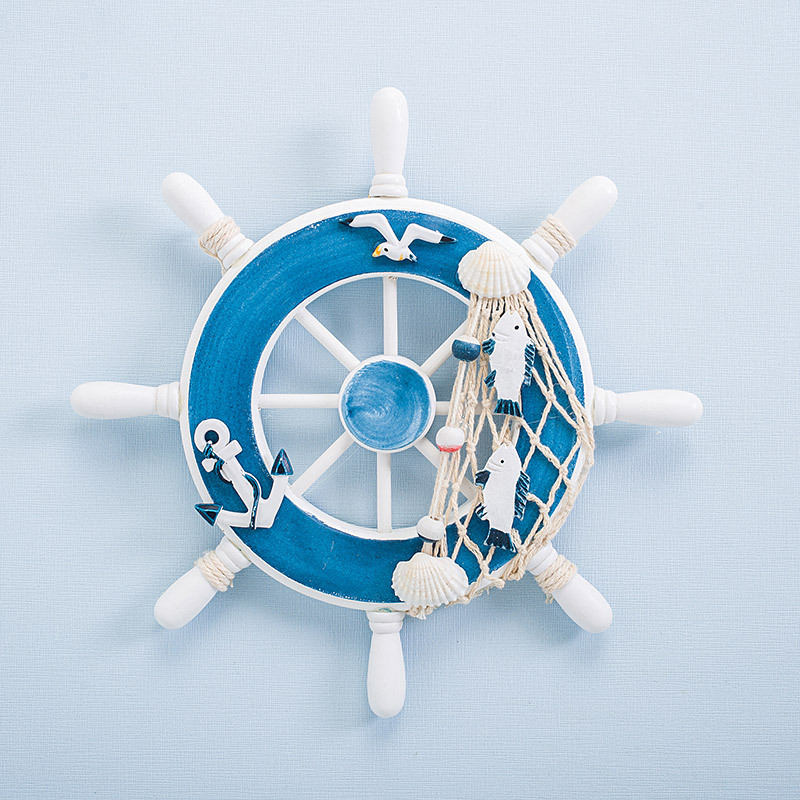
When she looked up again, the ship’s wheel was still hanging quietly on the wall. The fishing net had returned to its place on the right, and the little fish had resumed its original angle. Everything seemed unchanged.
But Amy knew that something had changed.
She hadn’t gained any supernatural powers, nor had she suddenly become all-powerful. Tomorrow’s work would still be demanding, and the client might still be difficult. Yet when she looked at the ship’s wheel again, she no longer saw a refuge from reality, but a silent reminder.
Life won’t get better on its own—unless you turn that wheel.