

The elevator had been out since Tuesday.
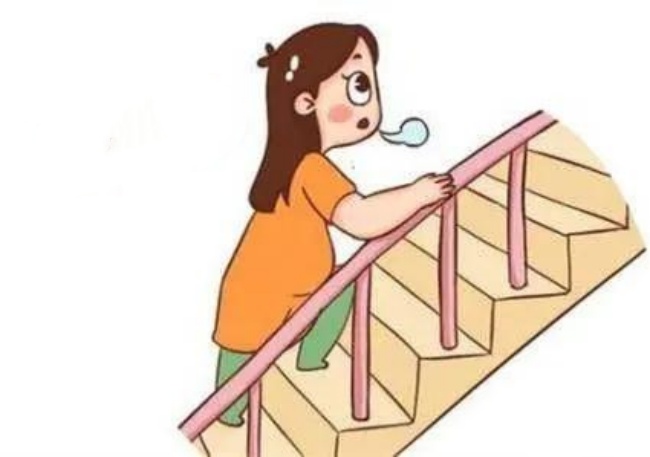
James knew this because he’d checked the lobby panel three times before committing to the stairs, each time hoping the numbers would flicker back to life like a stubborn streetlight. They didn’t. So here he was, hauling a duffel bag of takeout containers up six flights of a pre-war Brooklyn walk-up, his breath arriving two steps behind him.
He worked the night shift at a logistics warehouse in Red Hook — scanning barcodes, loading pallets, the kind of work that left your body sore but your mind strangely empty. By the time he clocked out at seven in the morning and stumbled home, the building was usually silent. Today was no different. The hallway lights buzzed their usual sickly yellow. A child’s tricycle sat abandoned on the third-floor landing. Somewhere above, a pipe groaned.
By the fourth floor, James had stopped counting. His thighs burned. The bag cut into his shoulder. He thought about the Thai basil chicken sitting inside, still warm, and it was the only thing keeping him moving.
Fifth floor. He paused, hand on the railing, and noticed something he hadn’t before — the wallpaper near the ceiling was peeling in long strips, curling down like dead leaves. He’d lived here two years and never looked up.
Sixth floor.
He reached for his keys, fishing them out of his jacket pocket with numb fingers. The hallway stretched ahead of him, dim and narrow, identical to every other night. Door 6B. His door.
He slid the key into the lock and turned.
It was already open.
Not slightly ajar. Not the deadbolt disengaged. The door swung inward the moment the key touched it, as if someone on the other side had been leaning against it, waiting.
James froze.
The hallway behind him was empty. He could see all the way down to the stairwell — no one. No coat rustling, no footsteps retreating. Nothing.
He pushed the door open with two fingers, his heart hammering against his ribs.
The apartment was dark. The blinds were drawn, the way he’d left them. His duffel bag was on the floor by the couch. The kitchen faucet dripped — he’d been meaning to fix that for months. Everything looked exactly the same.
Except for the smell.
Something faint and sweet, like cinnamon, hung in the air. James didn’t own cinnamon. He’d never bought it, never smelled it in this building.
He moved through the rooms slowly, checking the bathroom, the closet, under the bed. Nothing. No one.
He sat on the couch for a long time, the takeout bag still in his hand, listening to the building settle around him. The pipes. The wind against the window. The drip of the faucet.
Then he noticed the window.
The blinds were drawn, yes — but one slat was bent, angled slightly upward, as if someone had pressed their face against the glass from outside and looked in.
James lived on the sixth floor.
He stared at that bent slat for what felt like a very long time. The cinnamon smell was fading now, dissolving into the stale apartment air like it had never been there at all.
He got up, locked the door — really locked it this time, deadbolt and chain — and sat back down. The Thai basil chicken had gone cold. He ate it anyway, standing at the kitchen counter, staring at nothing.
The next morning, the elevator was working again. James stepped inside and pressed the button for the lobby. As the doors closed, he caught his reflection in the brushed steel panel — tired eyes, wrinkled shirt, the same face he’d seen every morning for two years.
But something about the way the light hit it made him look unfamiliar, like a stranger wearing his expression.
He pressed the lobby button again, even though it was already lit.
The elevator descended smoothly, without a sound.
Sometimes the things that scare us most aren’t the doors left open — they’re the moment we realize we’ve been sleeping with them open all along, and never once thought to check.